
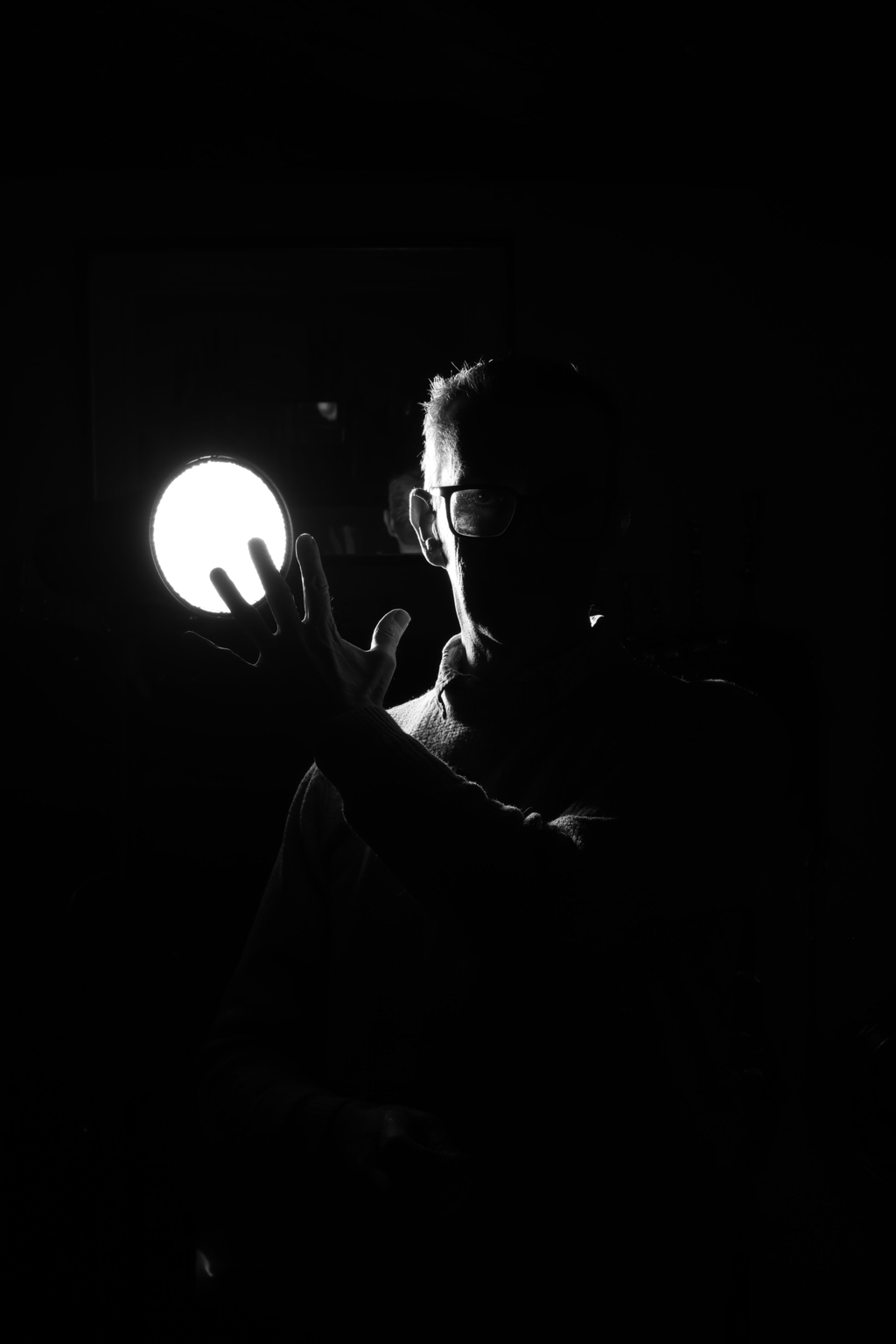
“I hate having my photo taken.”
It is probably the phrase I hear more than any other, and what surprises me is who says it. Business owners, consultants, accountants, solicitors, chefs, and directors regularly tell me this, despite often being the people who need professional photographs the most.
These are people who need photographs for websites, LinkedIn profiles, speaking events, marketing campaigns, networking, and press coverage. Yet many arrive convinced they will hate the experience.
After photographing people for years, I have realised something important. The problem is rarely photography itself. The problem is fear.
Many people believe they are simply not photogenic, but usually what they really mean is that they do not know what they are supposed to do. They worry about where to look, what to do with their hands, whether they will stand awkwardly, or whether they will look strange.
These concerns are completely normal.
Most people are not uncomfortable because of cameras. They are uncomfortable because being photographed makes them feel exposed.
Photography can feel surprisingly vulnerable. You are standing in front of somebody whose entire attention is focused on you, and for many people this creates an endless stream of thoughts.
What if I look old?
What if I look tired?
What if everyone notices my flaws?
What if I hate every photograph?
People often arrive expecting judgement when what they actually need is reassurance and guidance.
Photography is not simply about pressing a button. Technical skills matter, of course. Lighting matters. Composition matters. Camera settings matter. However, none of these things matter very much if the person standing in front of the camera feels uncomfortable.
A large part of my job is creating an environment where people stop thinking about being photographed and start being themselves.
When that happens, something changes. Shoulders relax. Expressions soften. Conversations flow more naturally. People stop performing and begin looking more like themselves.
That is usually when the best photographs happen.
You do not need to be photogenic.
You need somebody who understands people.
Because confidence photographs far better than confidence being forced.
Ray