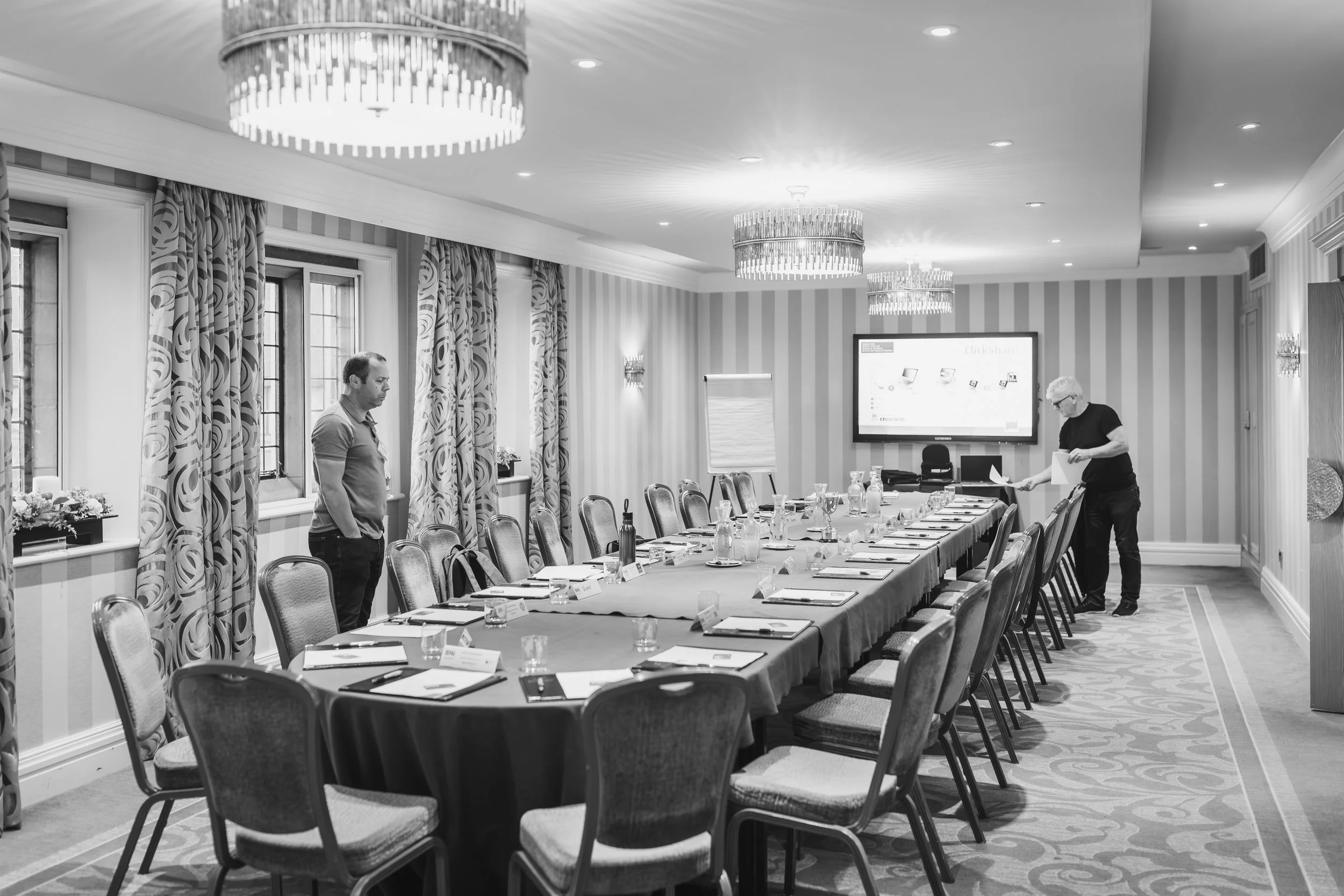
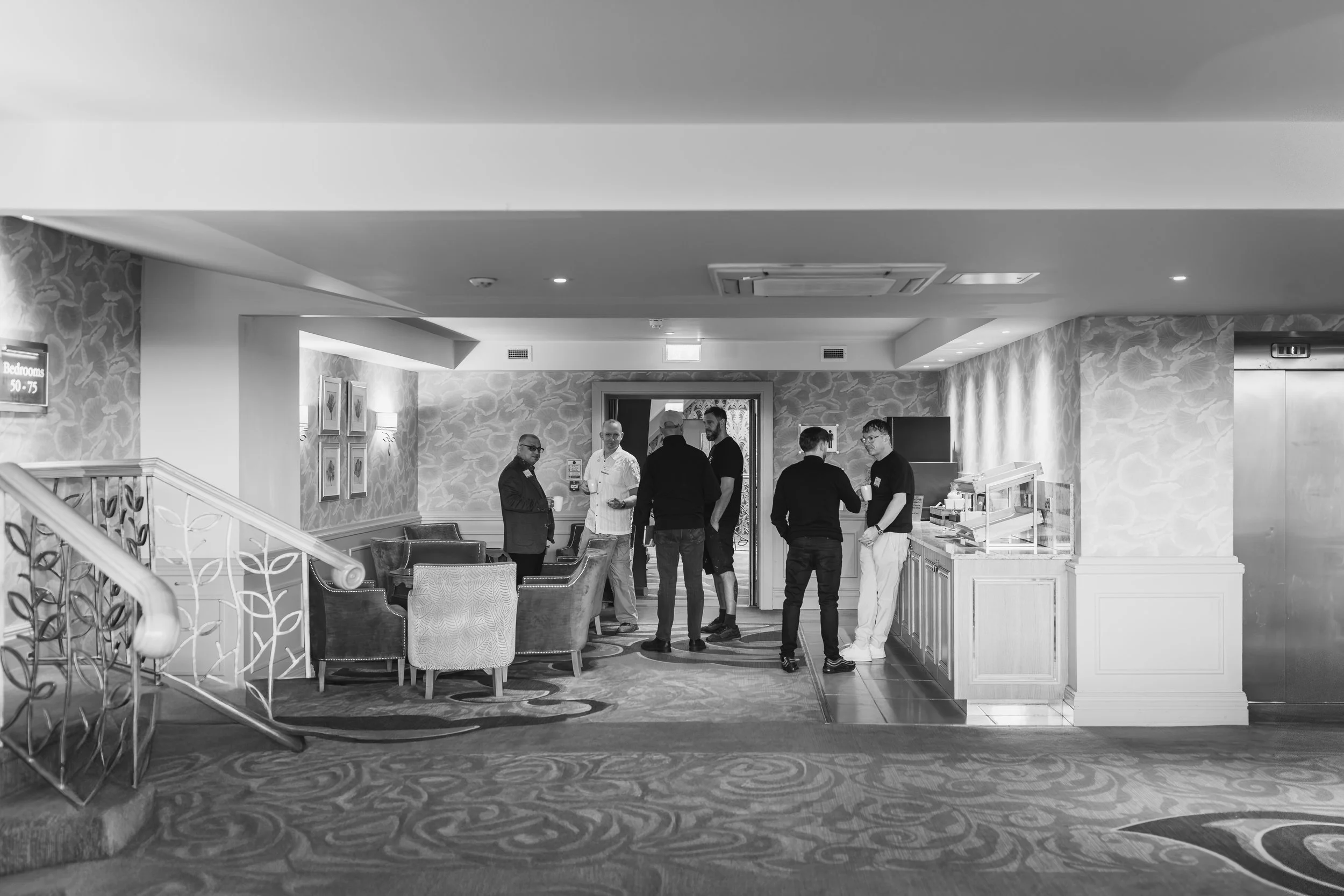
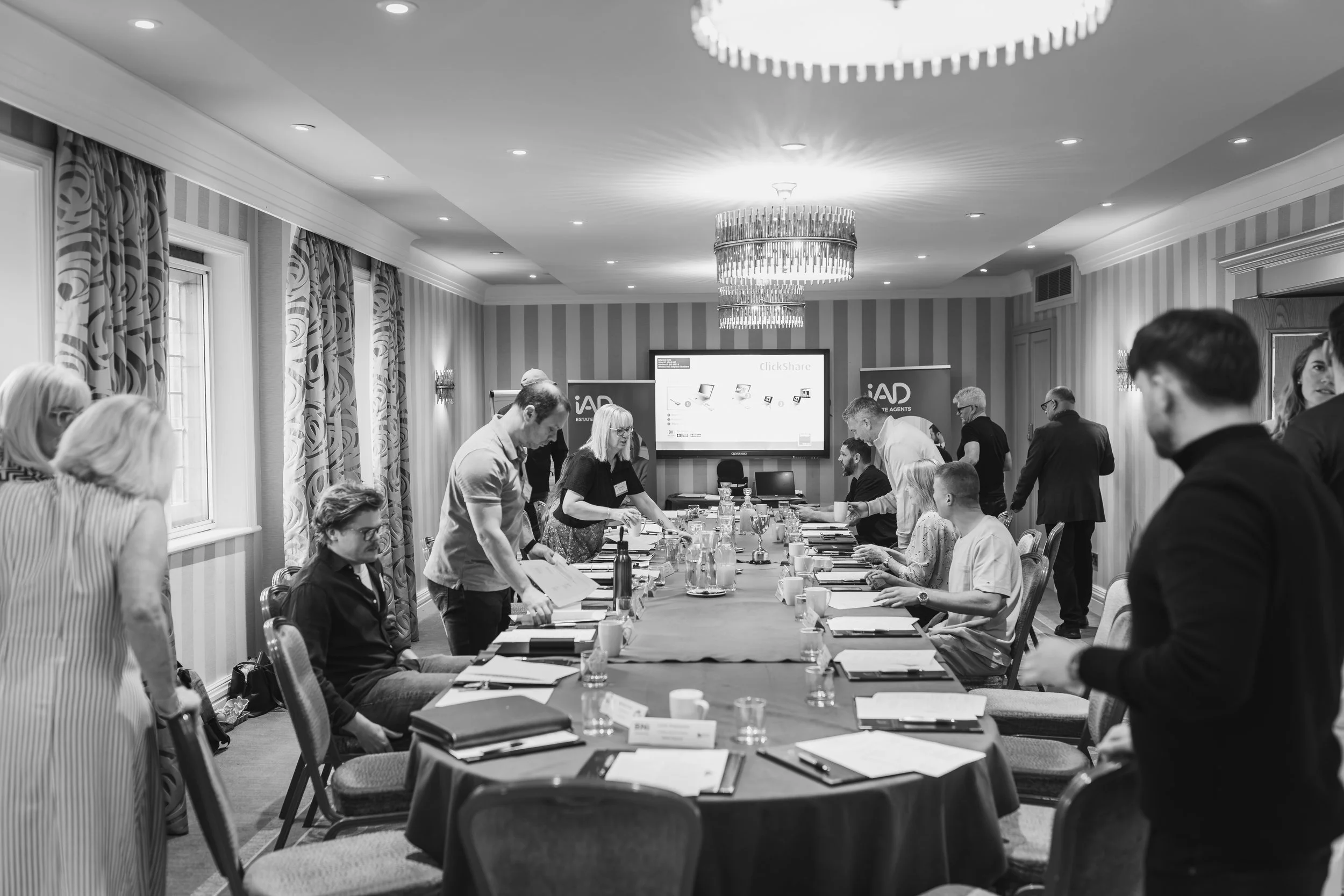
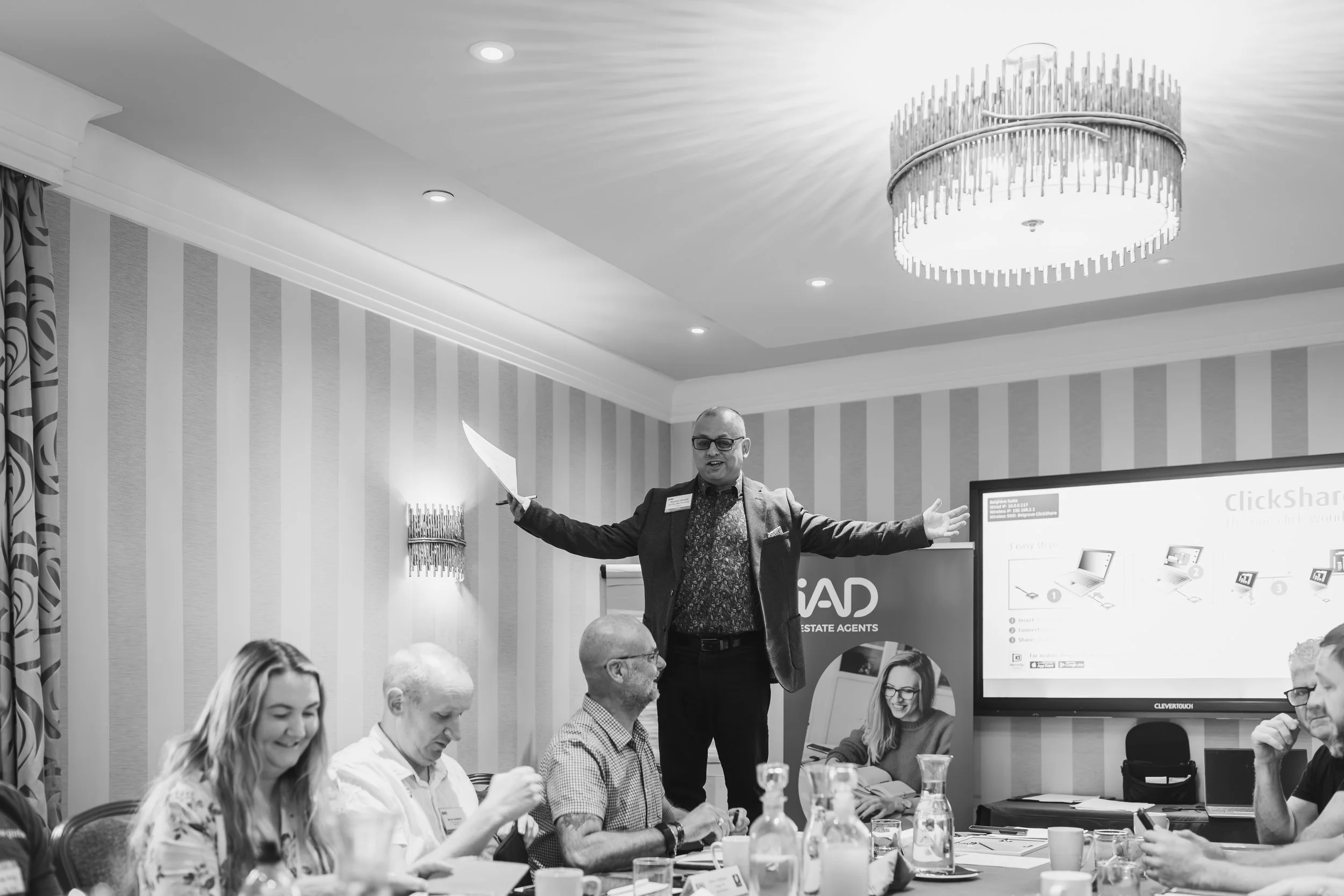
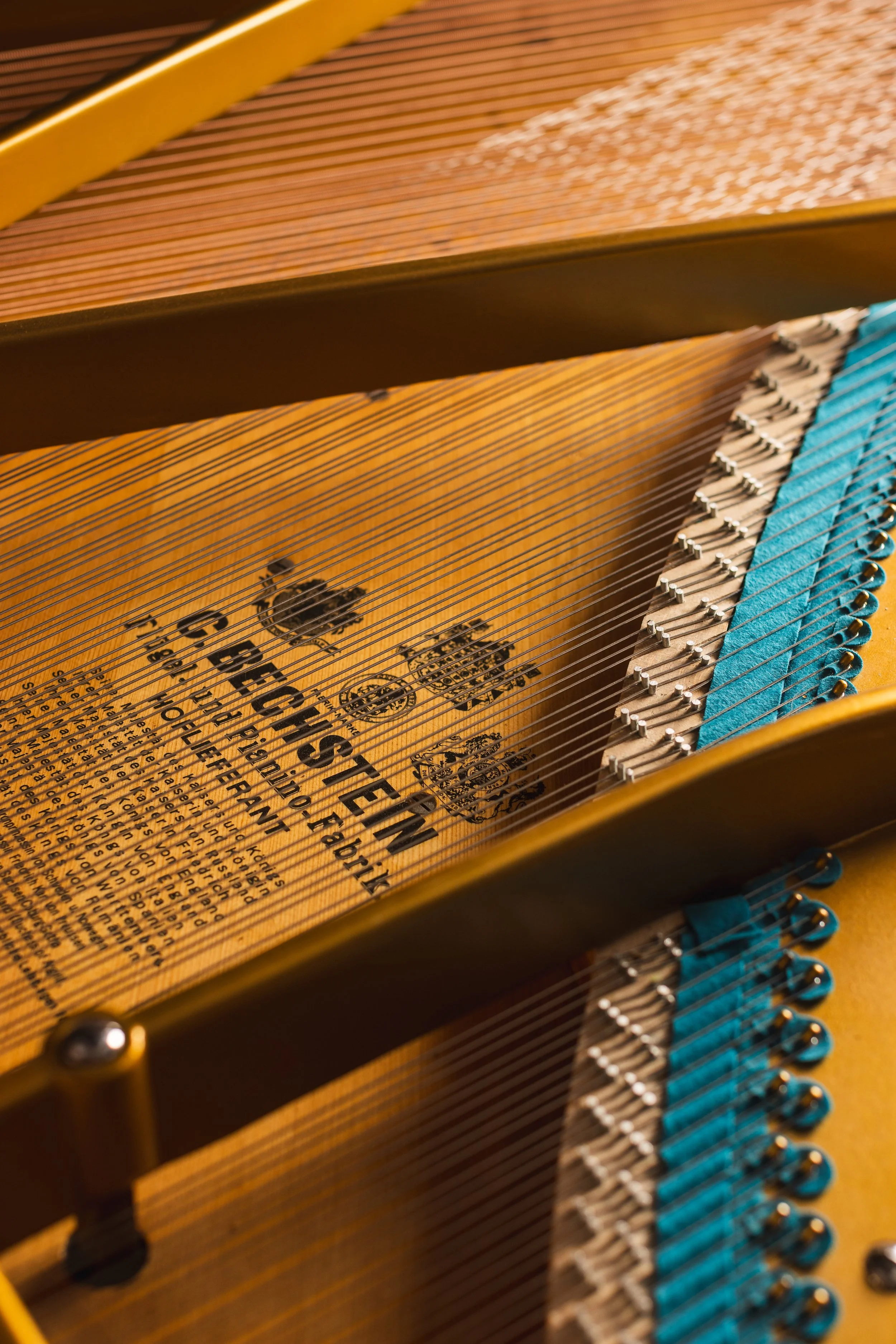
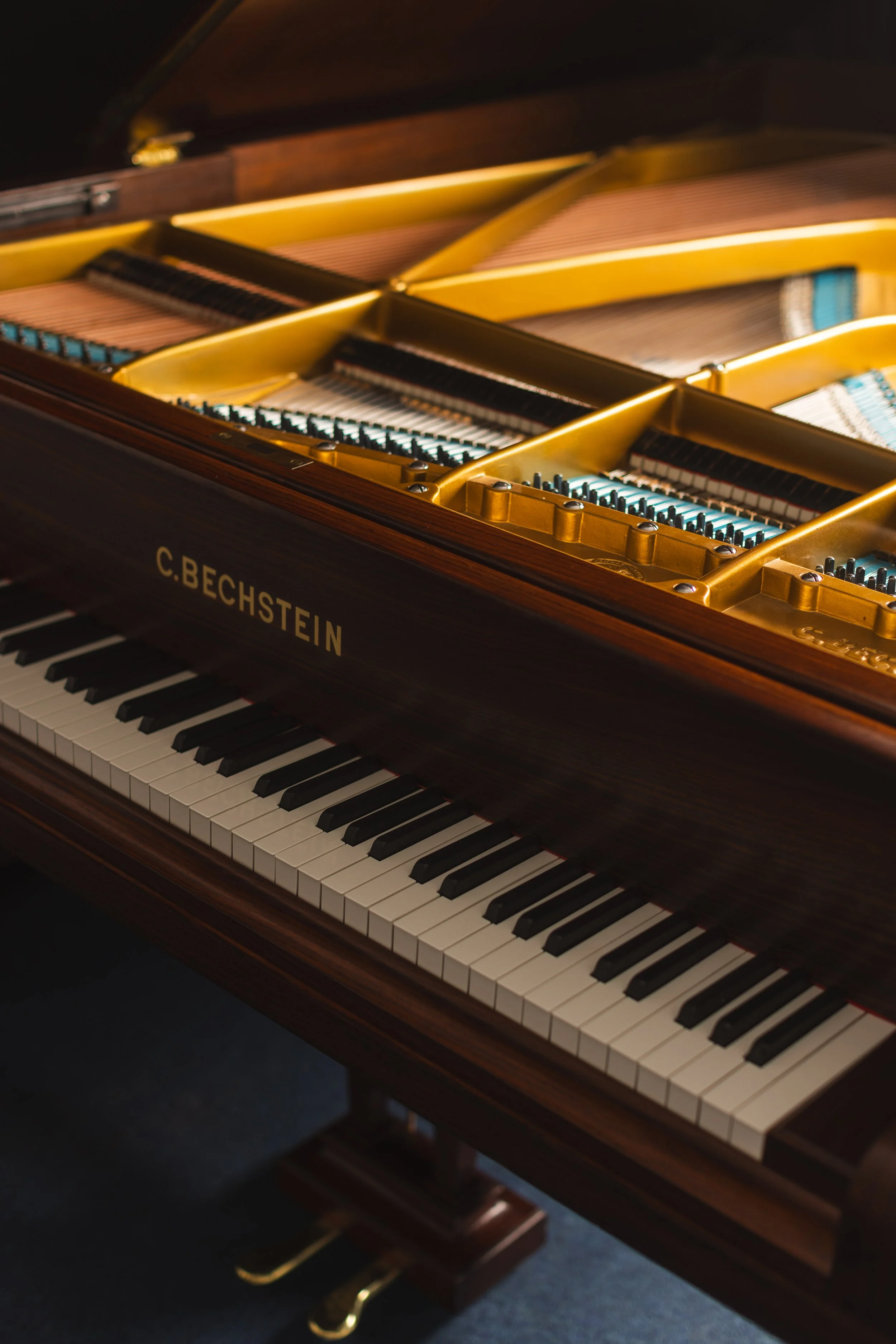
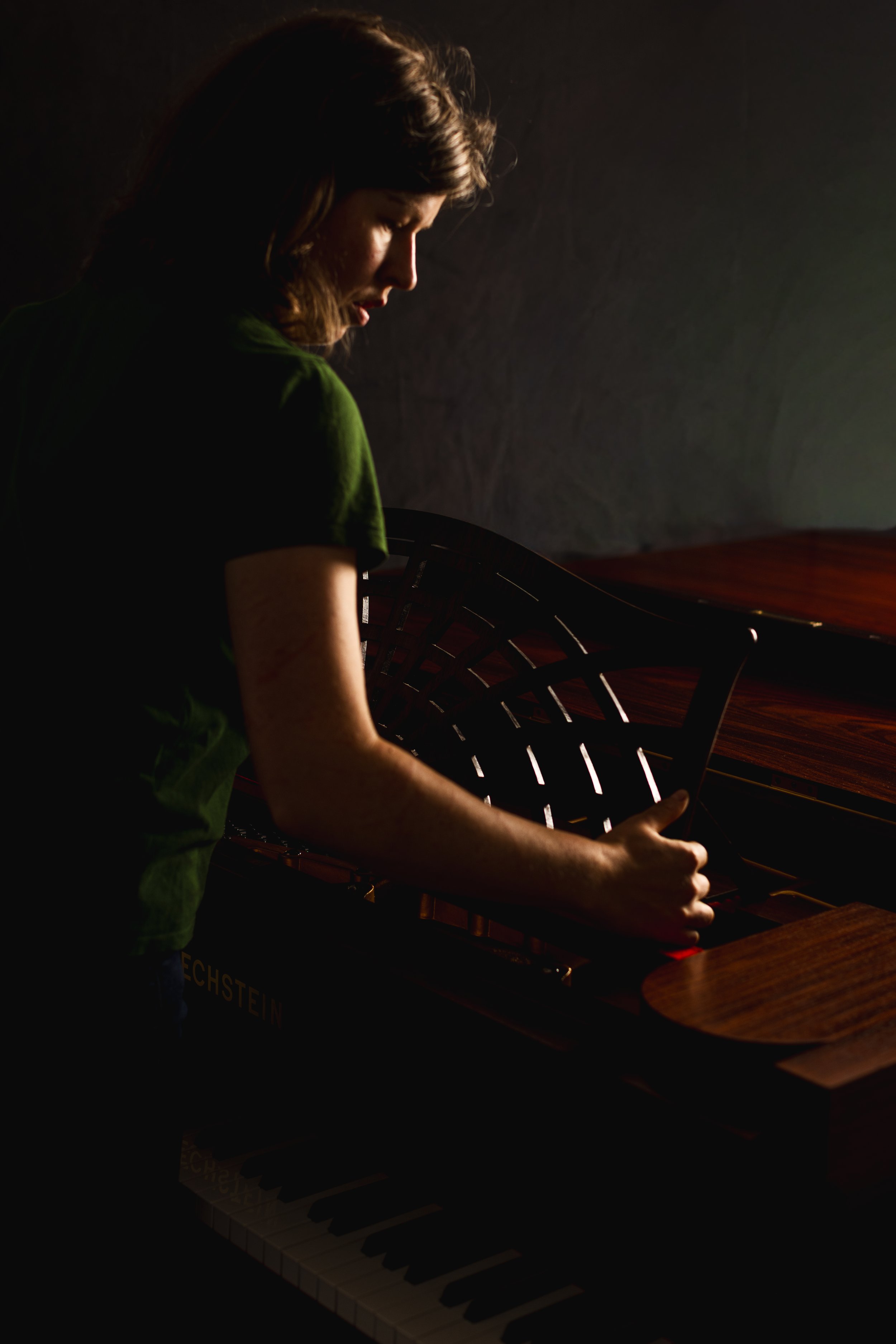
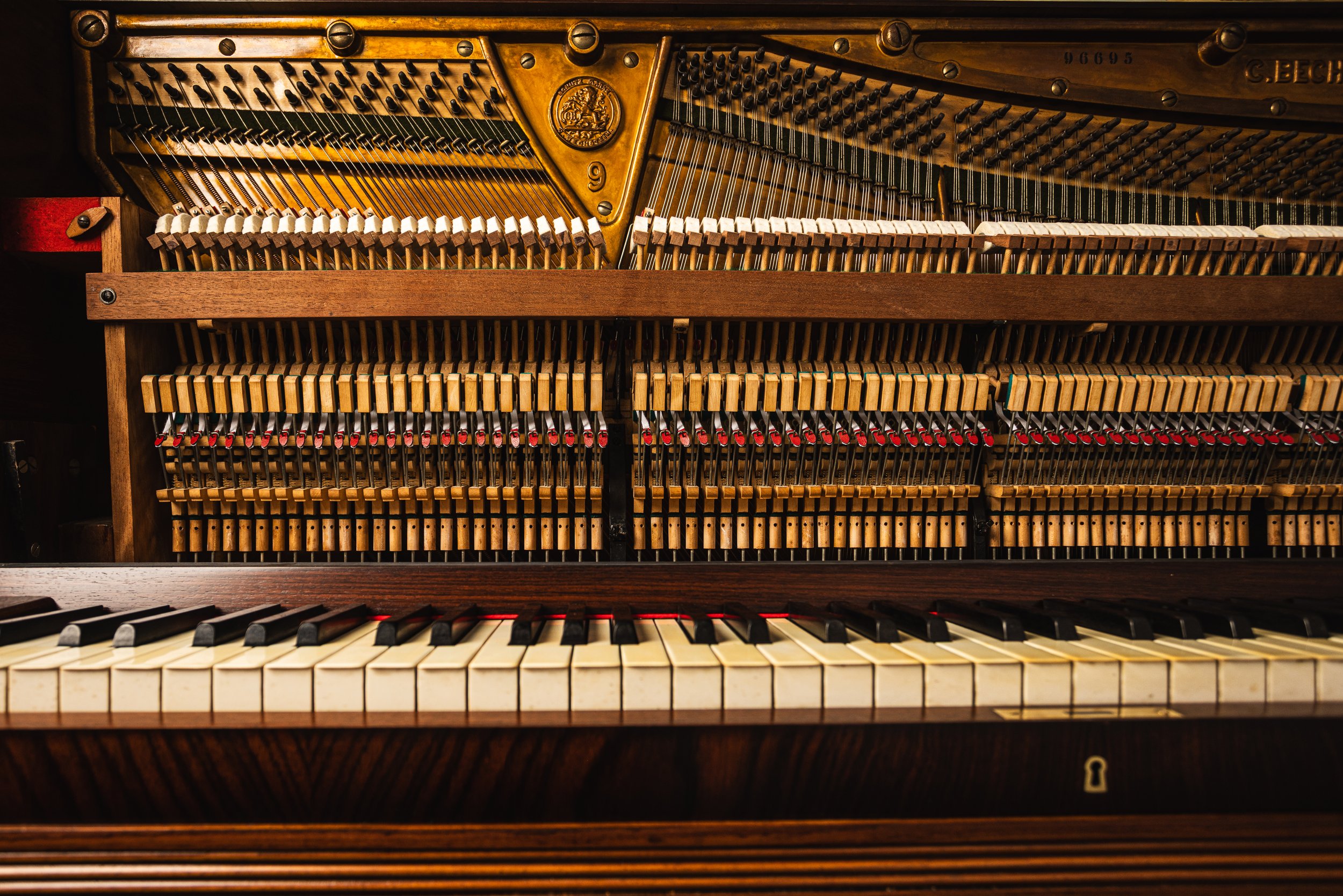
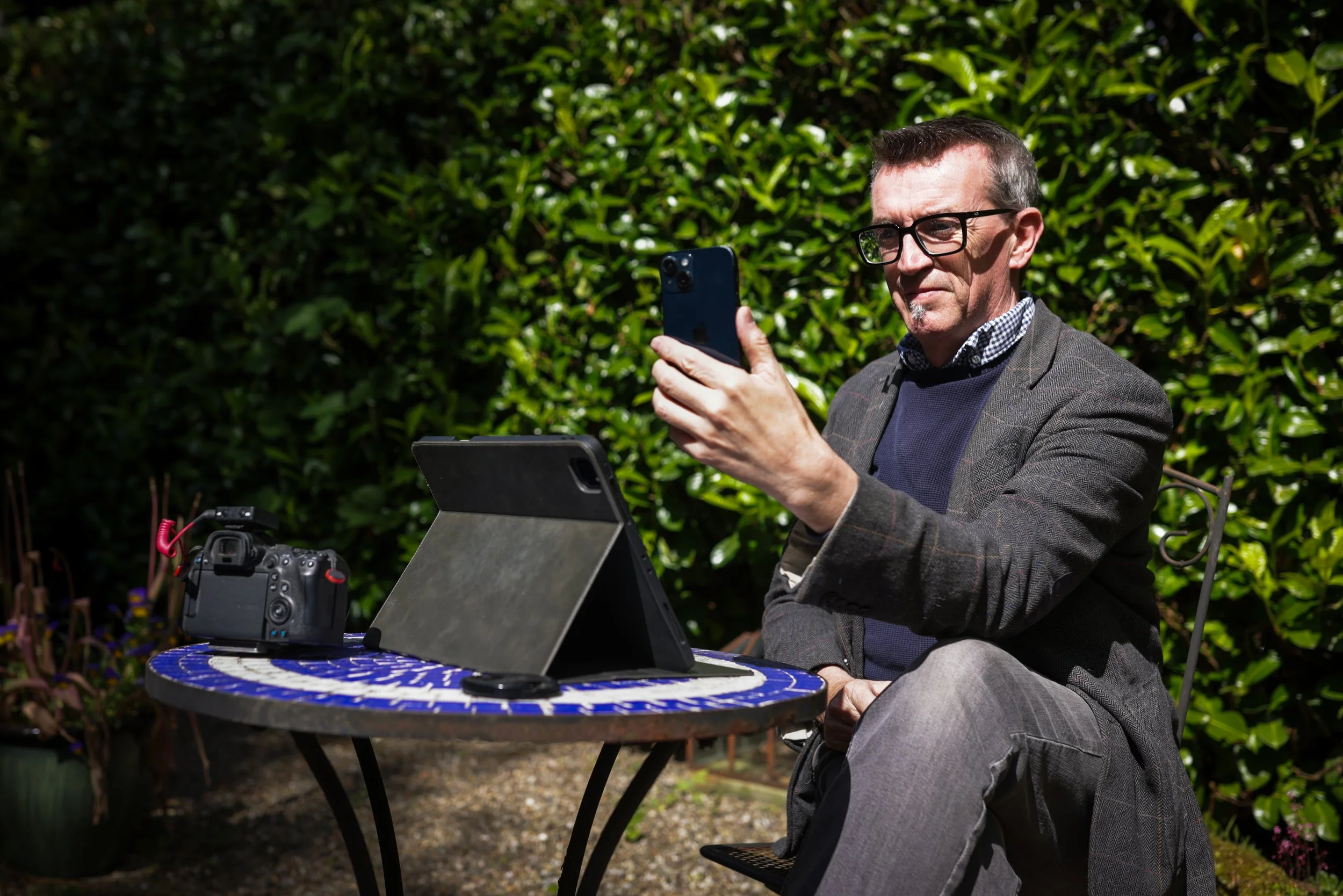
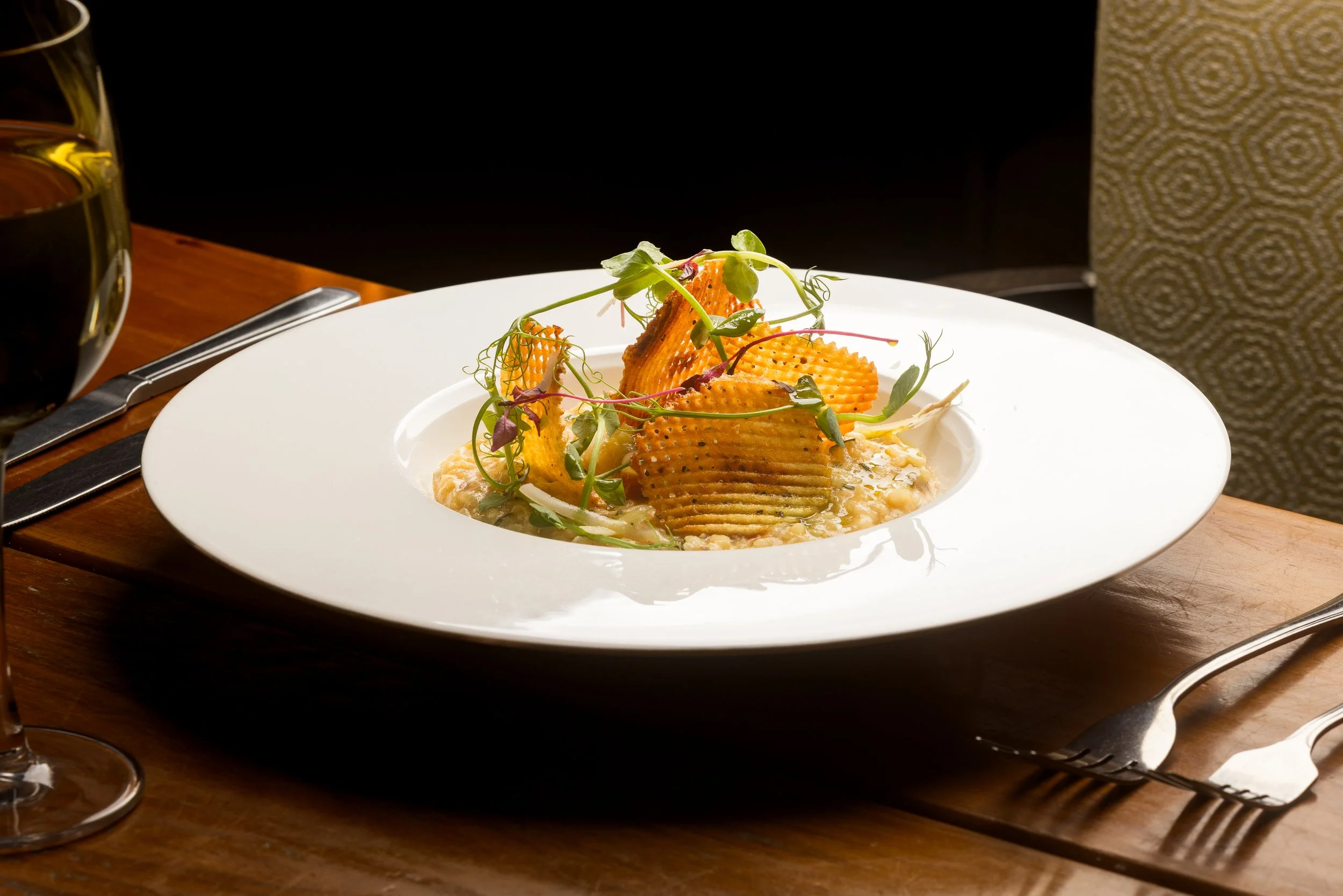
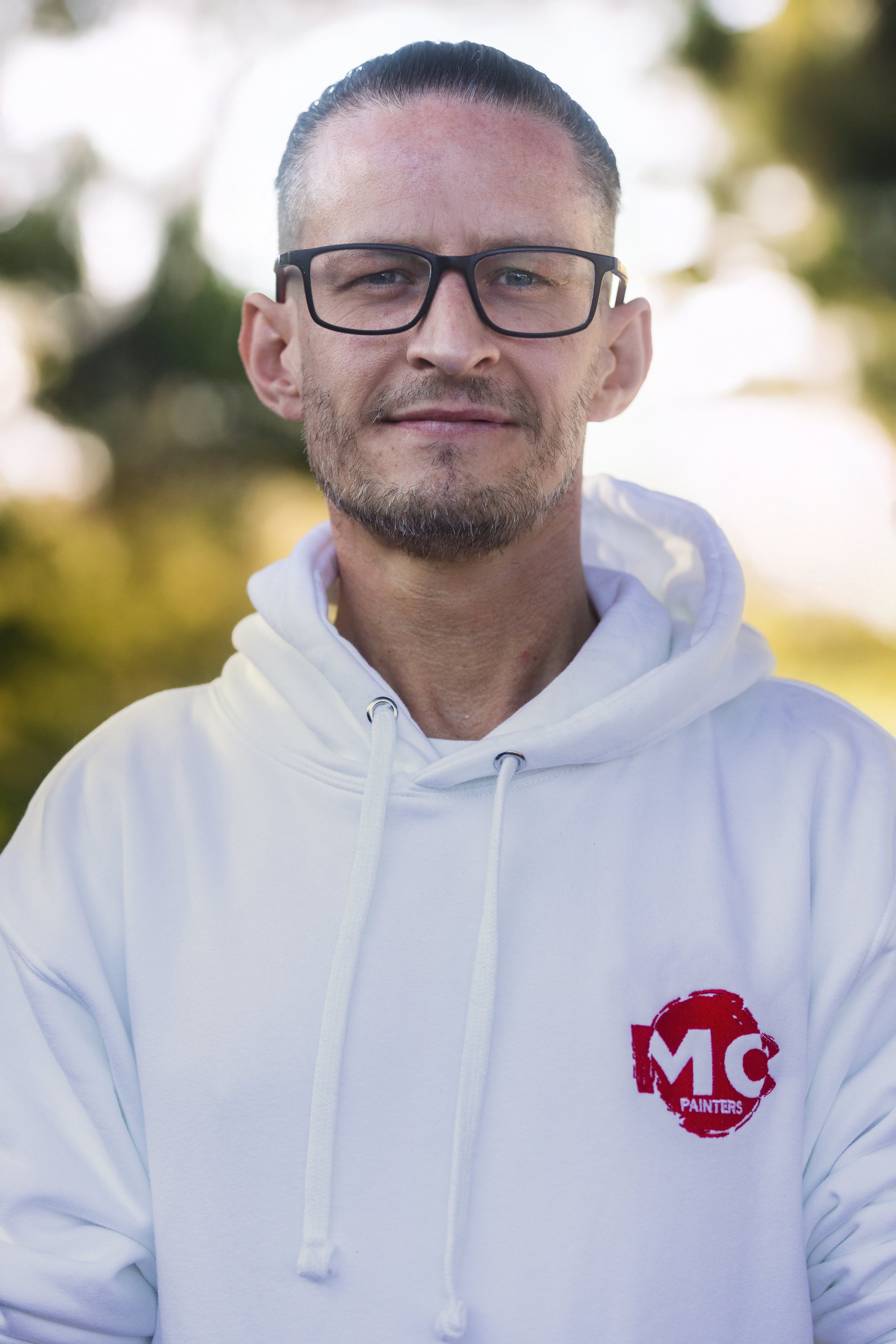
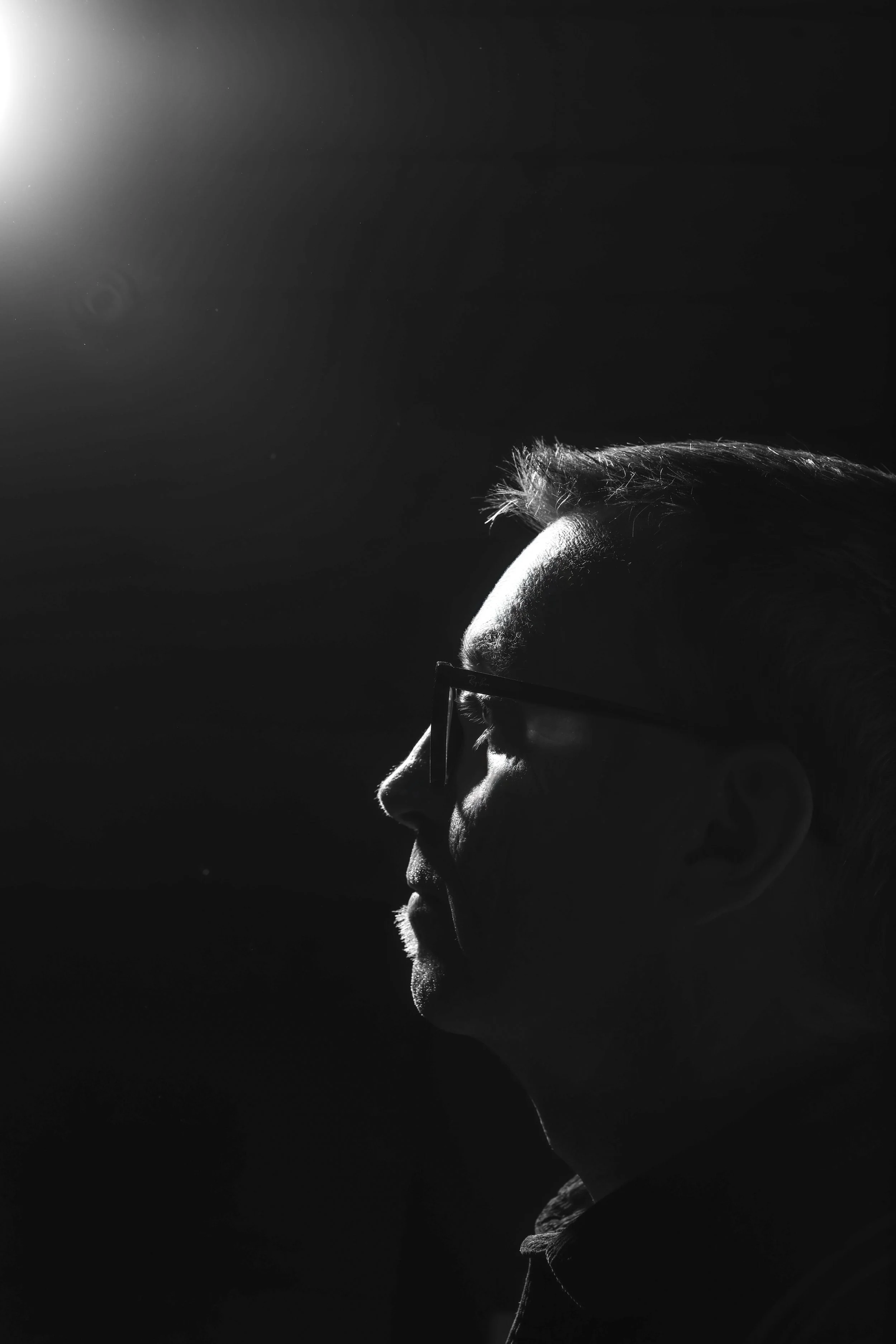
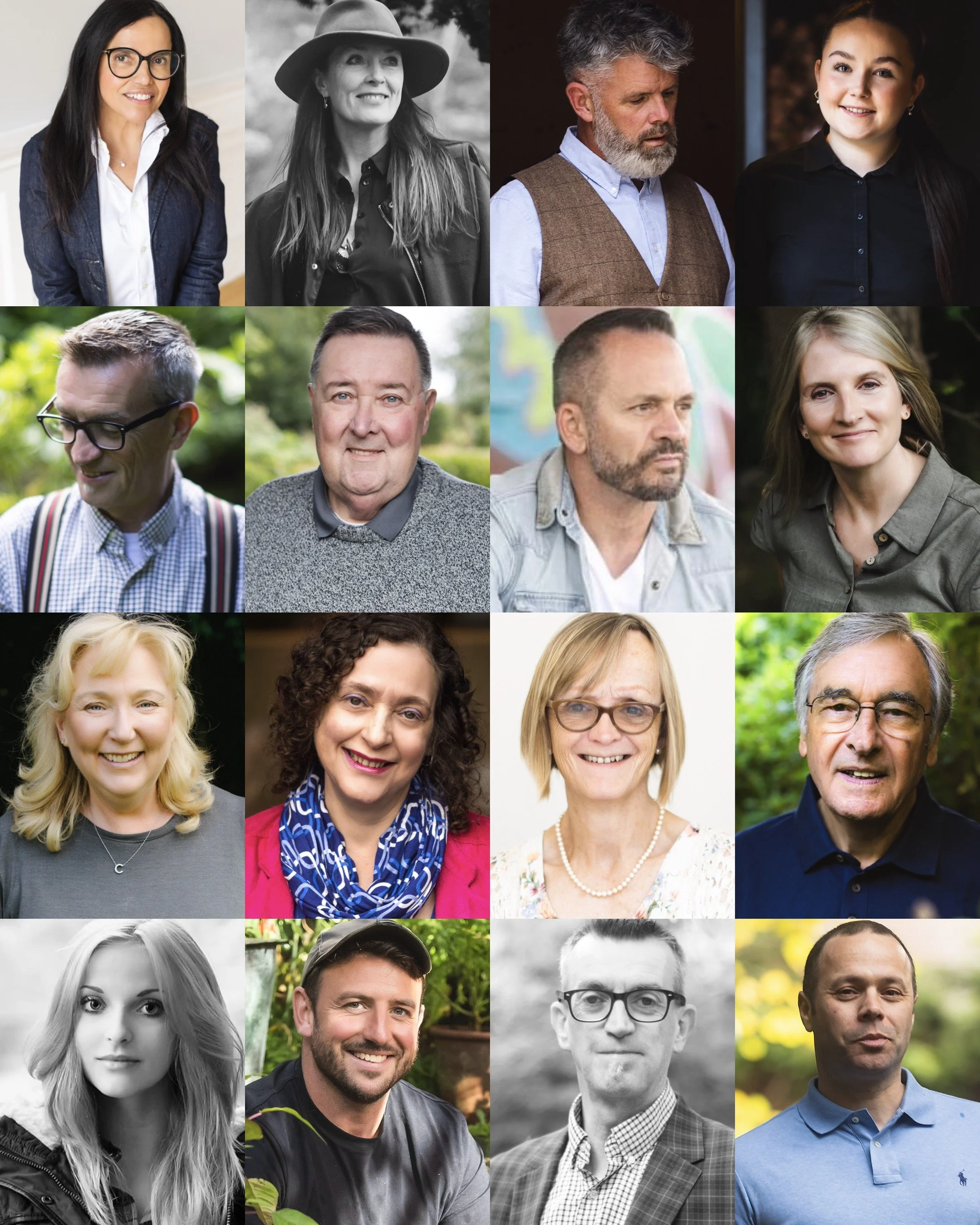
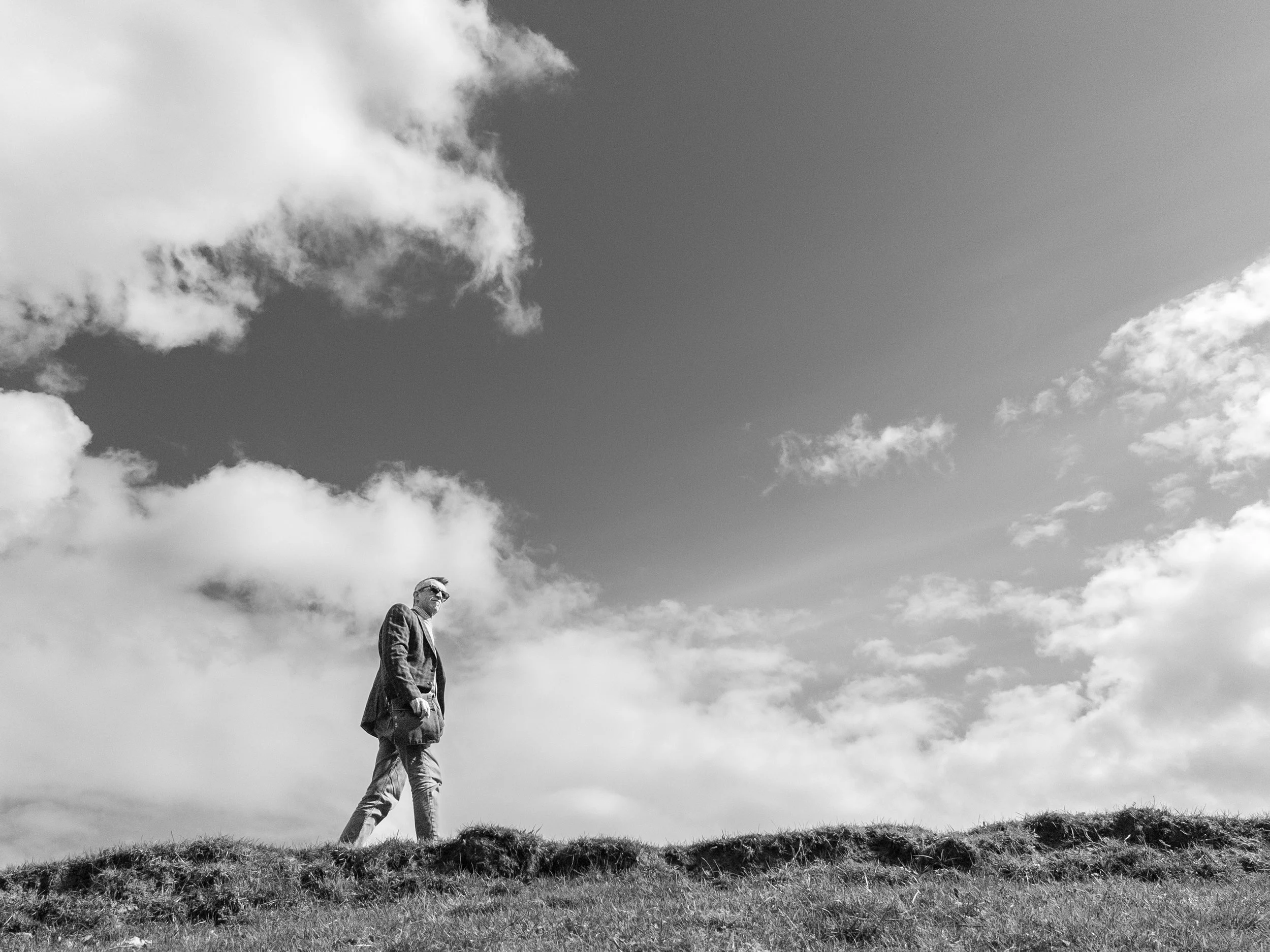
Before everyone arrives…

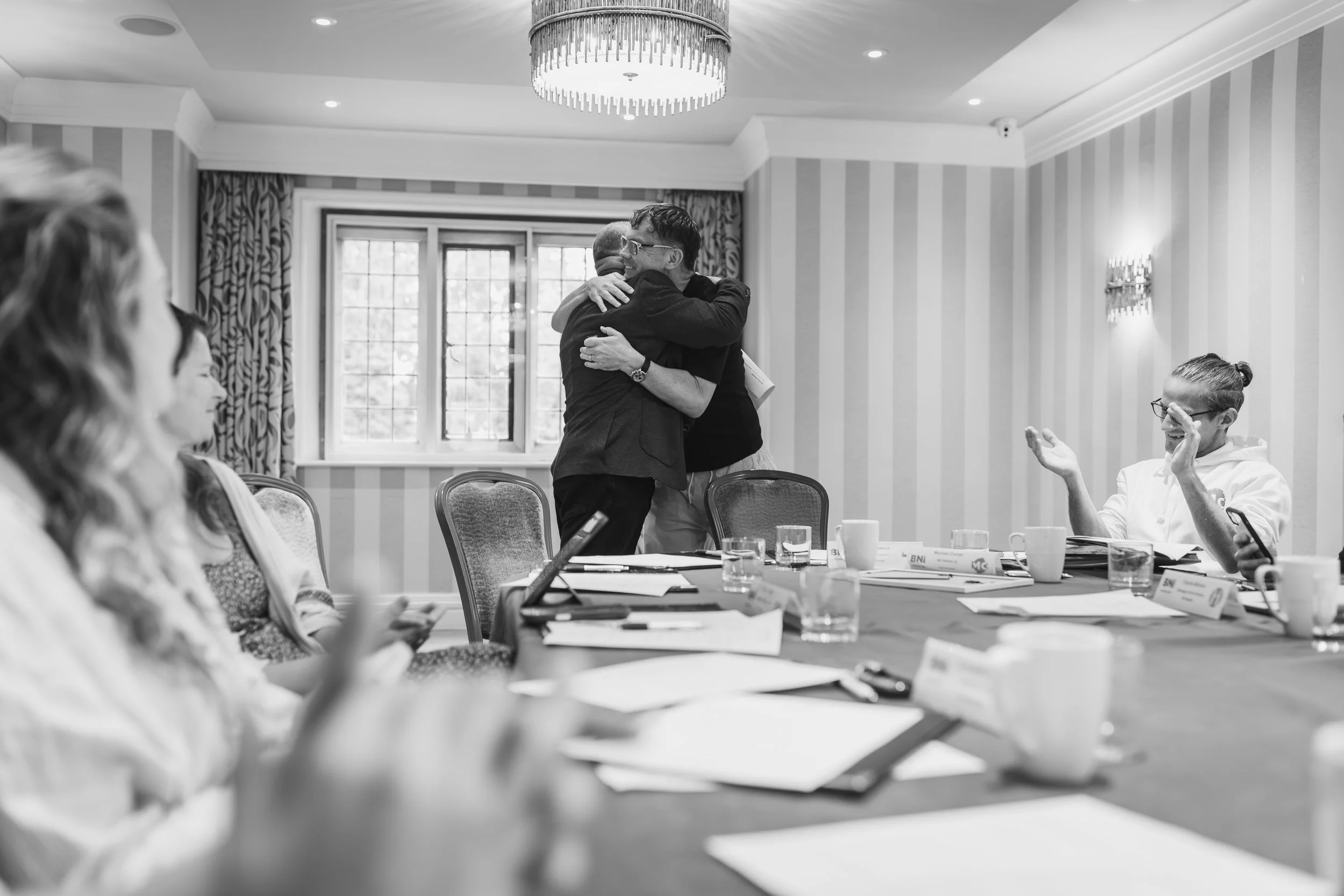
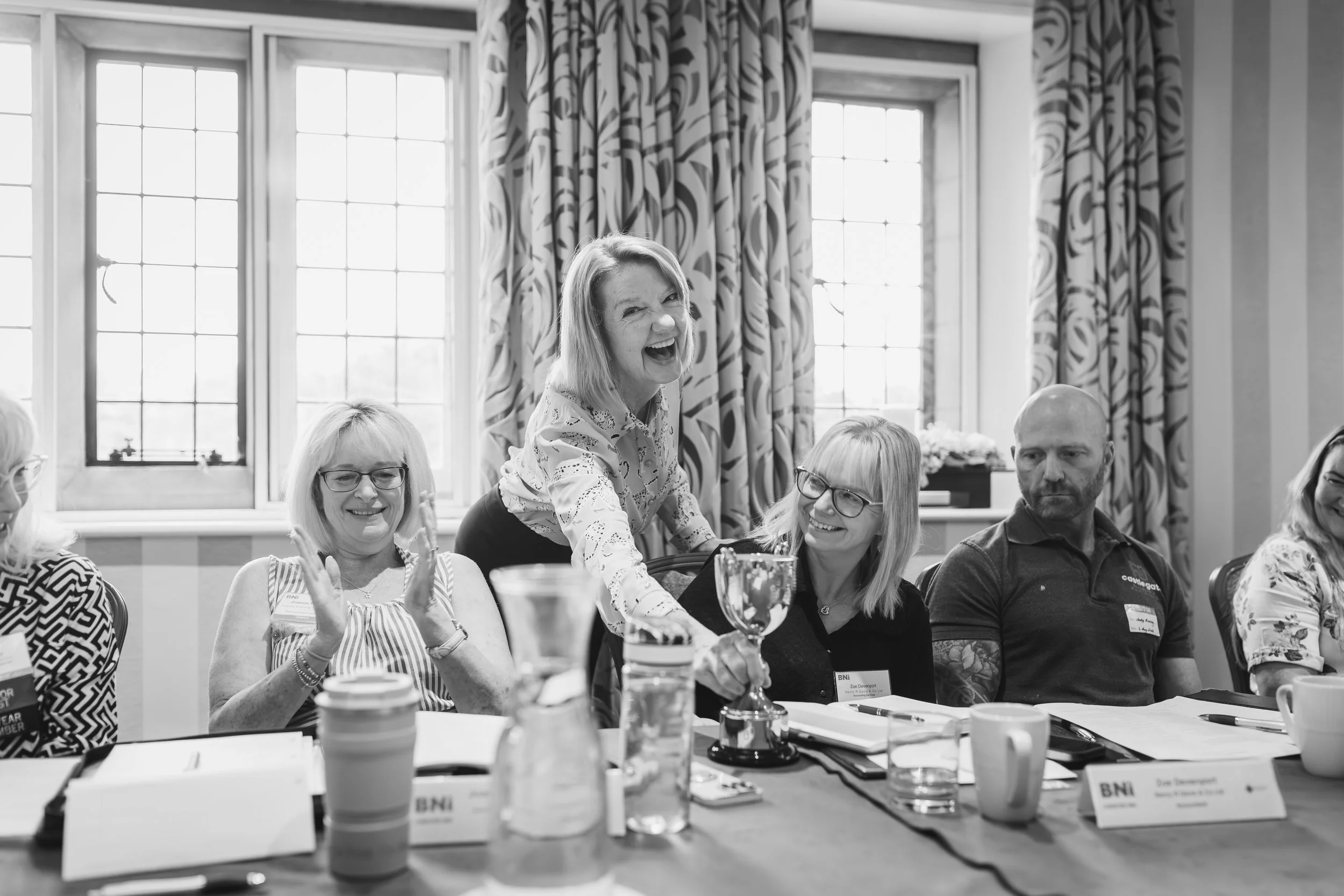
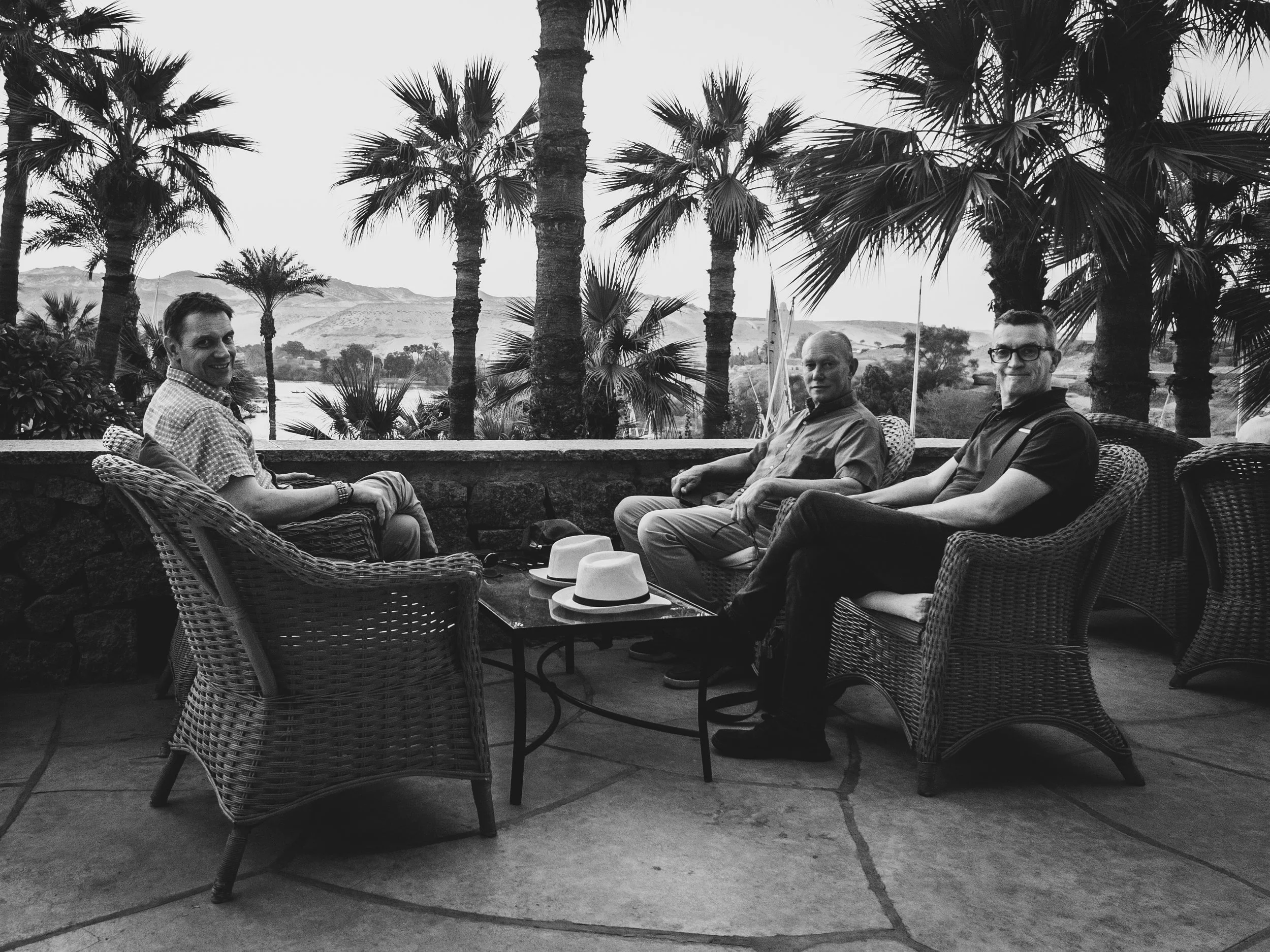
Every Thursday morning I photograph our networking meeting.

I’m not really looking for people smiling at the camera. I’m looking for the moments happening around the room.

People arriving. Conversations starting. Someone standing up to speak. Someone listening. Someone laughing.

An empty meeting room isn’t particularly interesting.

Fill it with people and suddenly there are stories everywhere.

That’s what I enjoy about photographing business events. It’s less about recording what the room looked like and more about showing what it felt like to be there.

Ray

From Inspiration to Interpretation

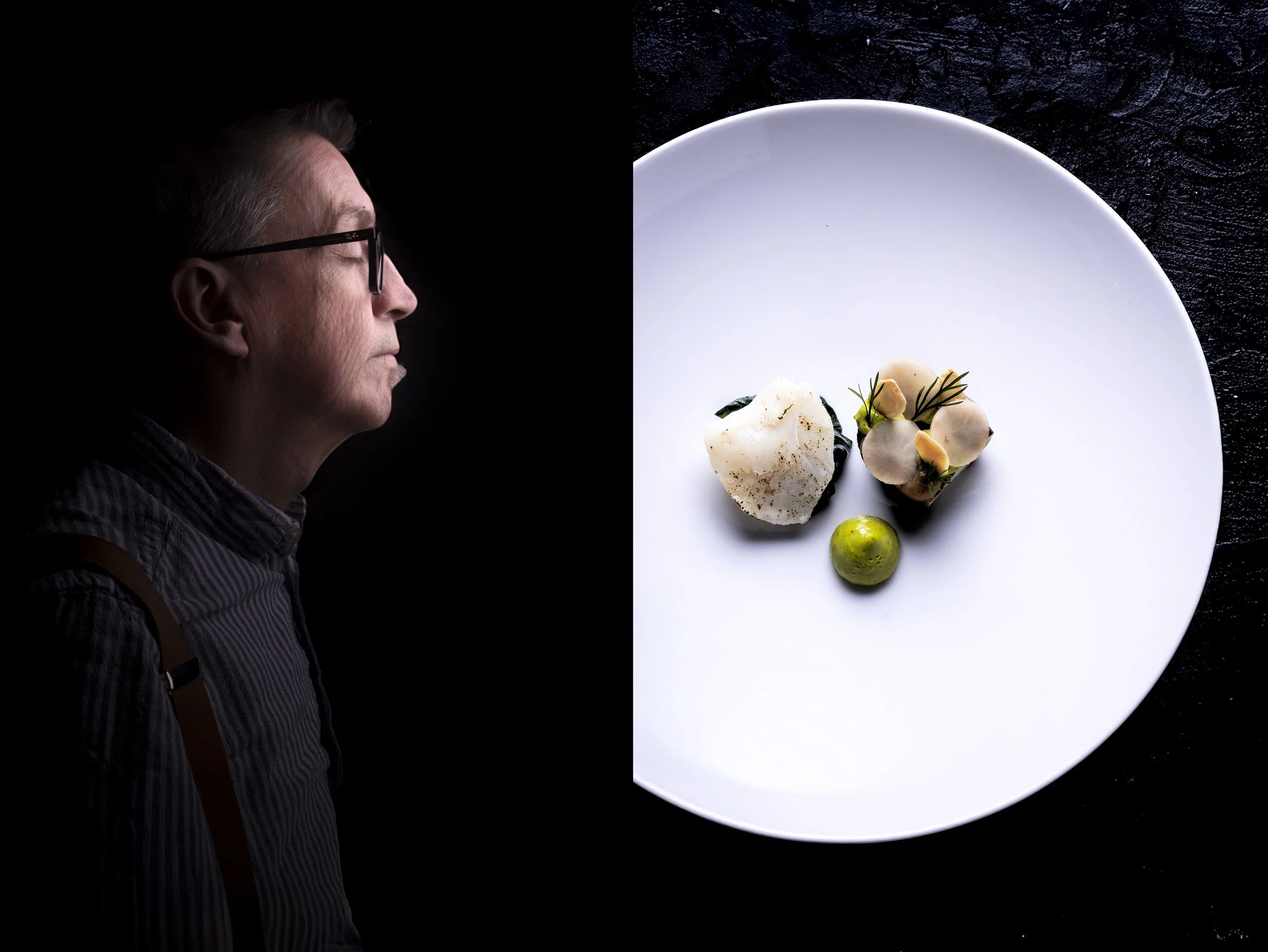
Time for a new portrait.

Some photographs aren’t planned. They begin with a feeling.

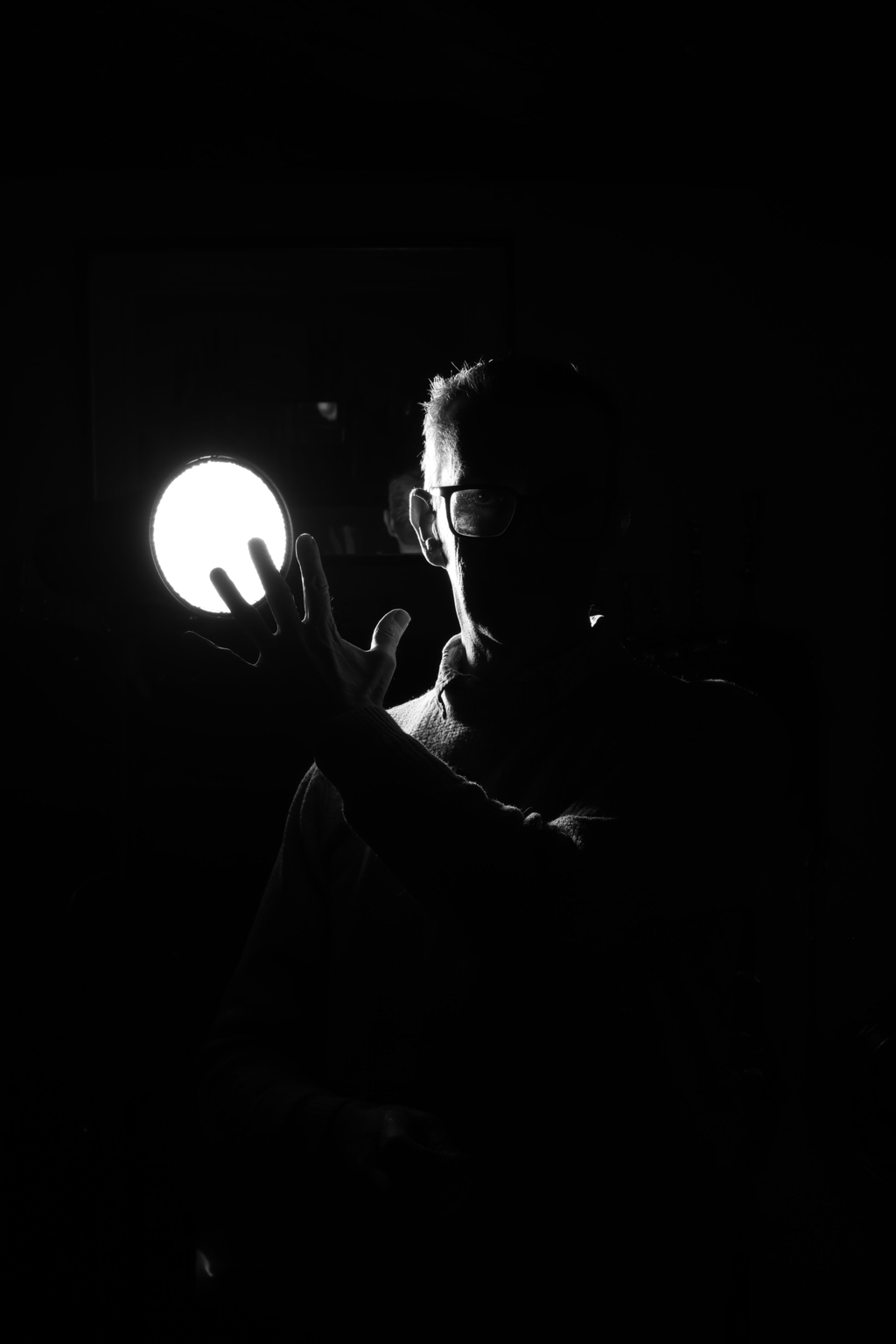
I’ve been listening to a lot of David Sylvian recently, and I found myself drawn back to the atmosphere of those old vinyl album covers. Rather than copying one, I wanted to explore what that mood looked like through my own lens.

The first frame stayed close to the original inspiration, but it didn’t feel authentic. So I kept experimenting, changing the pose, adjusting the light and refining the story.

Eventually, it became something completely different.

I imagined standing outside my front door, coat in hand, taking a quiet moment before the day begins. One light fired into an umbrella was all it took to create the final image.

For me, that’s what creativity is about. Inspiration can come from anywhere, but the most satisfying photographs are the ones that evolve into something uniquely your own.

Where do you find inspiration for your creativity?

Which portrait do you prefer?

Ray

#selfportrait

The Streets That Feed Chester: Why the Story Begins Before the Food

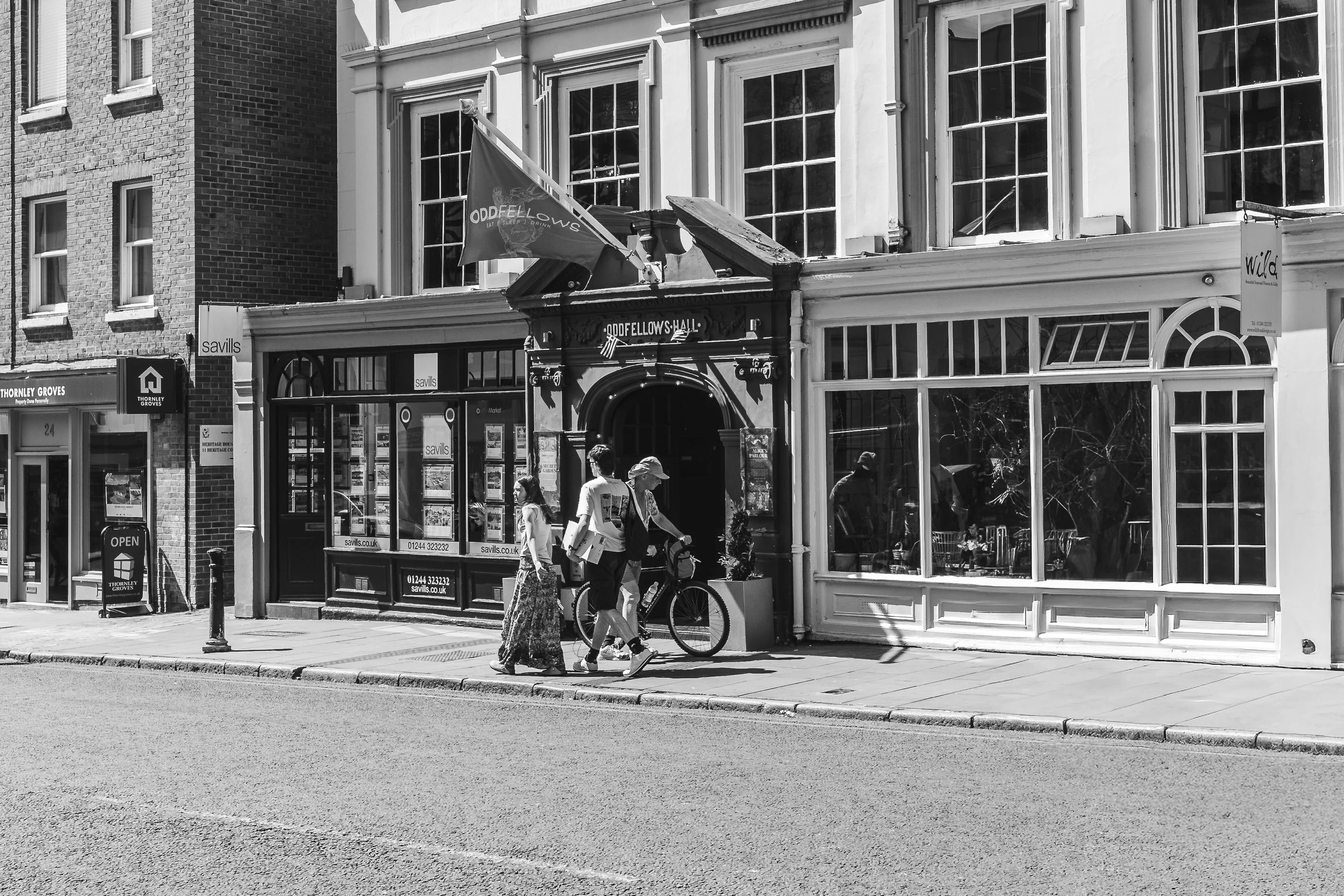
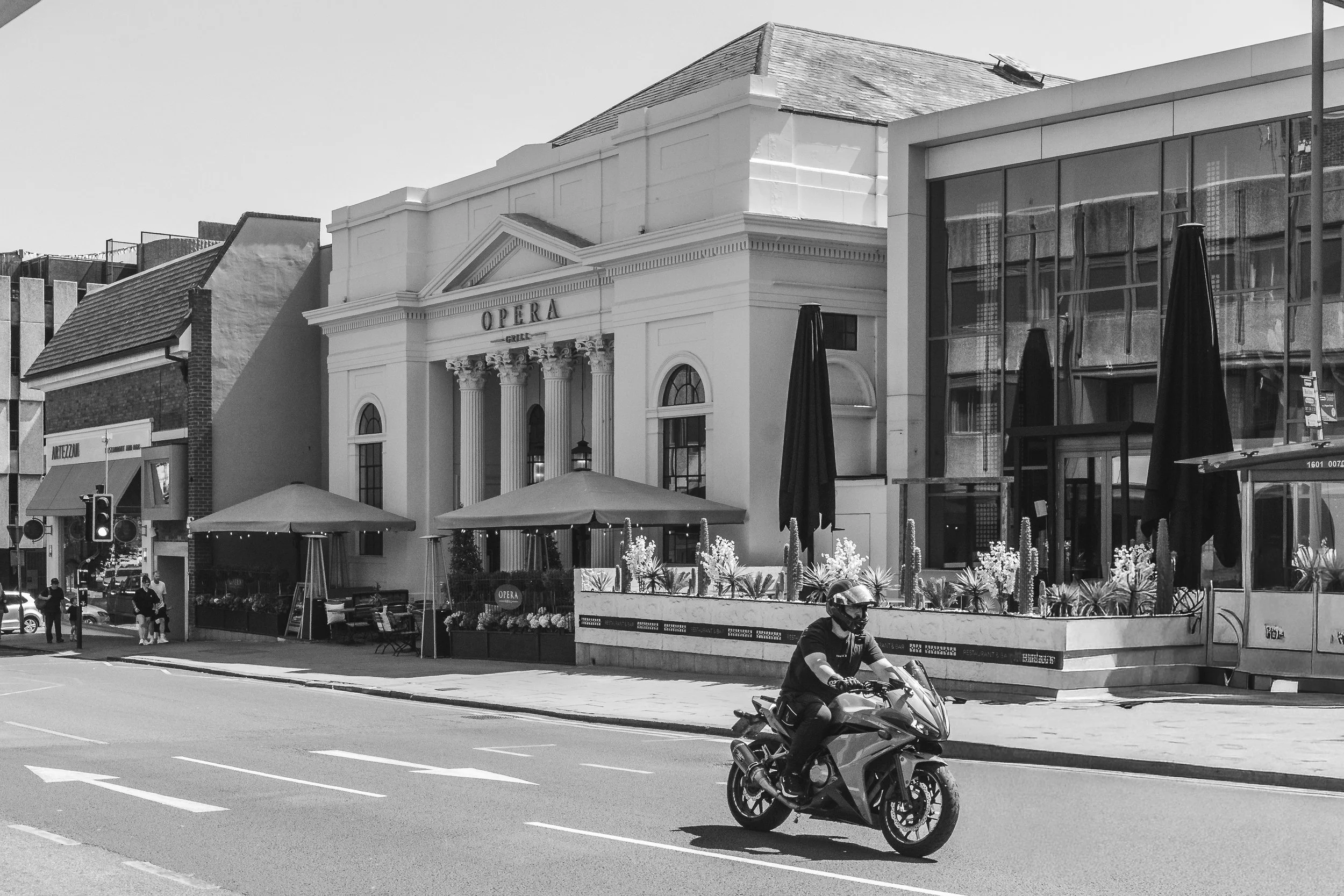
Most people think food photography is about photographing what’s on the plate. Beautiful presentation, perfect lighting and impeccable styling all play their part, but I’ve come to realise that the real story often begins long before the first dish arrives. Before I unpack my camera, I’m usually outside, walking the streets around the restaurant, taking in the architecture, watching people move through the area and trying to understand what makes that particular place feel unique.

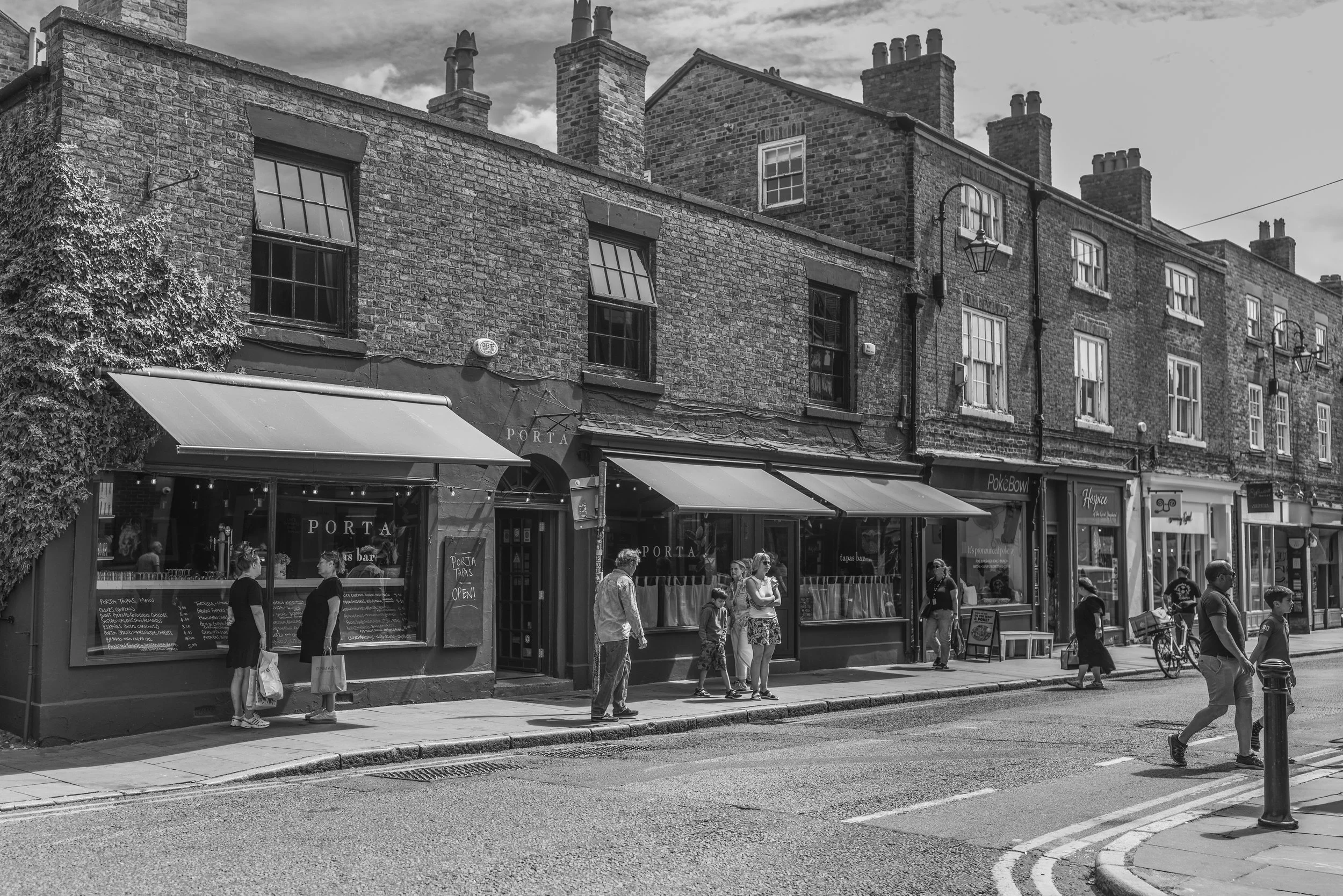
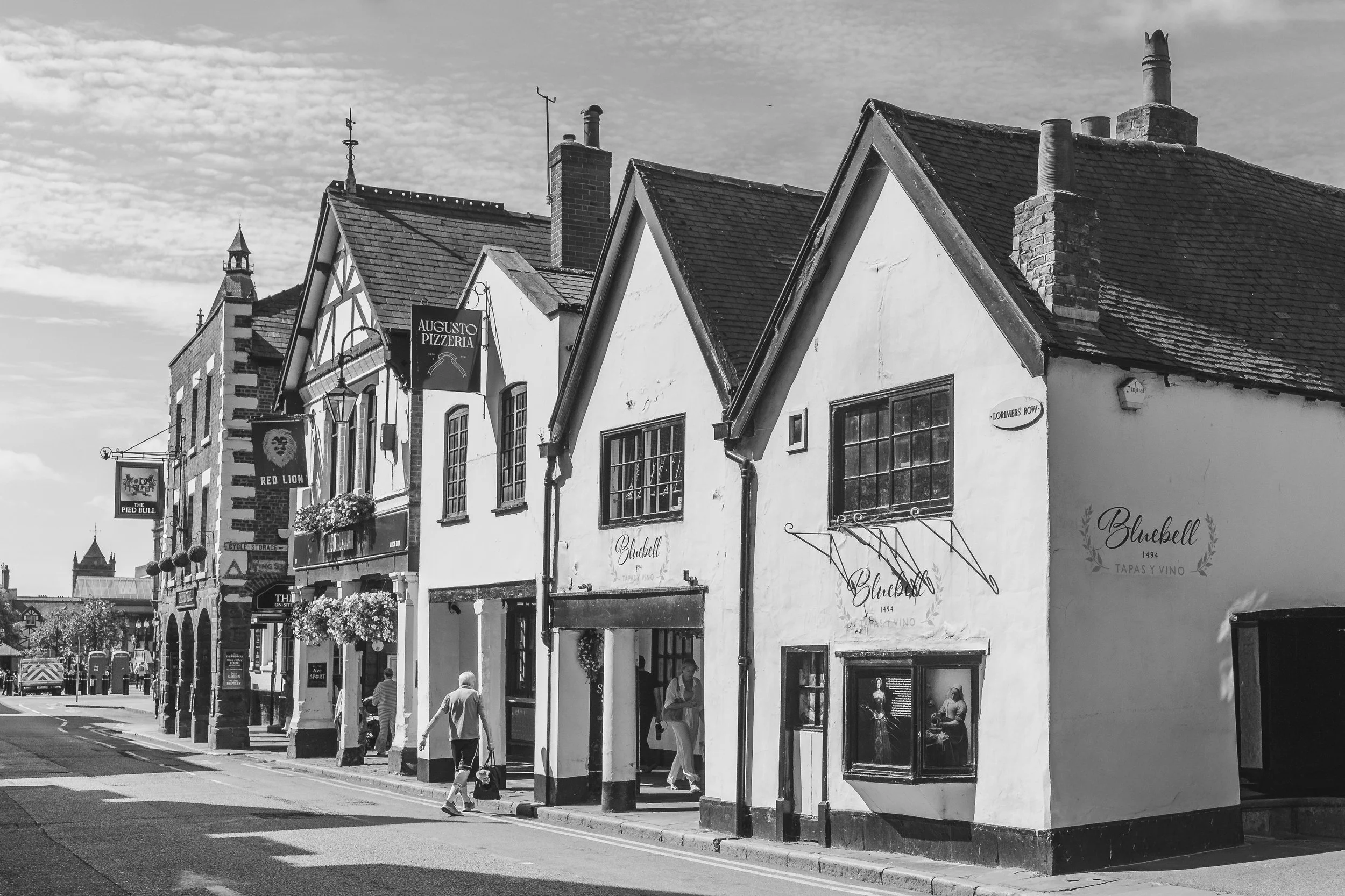
That simple habit is what inspired The Streets That Feed Chester, a personal photographic project celebrating the cafés, restaurants, hotels and bars that give the city its character. Rather than concentrating on food itself, I wanted to photograph the places that create the anticipation of a meal. The buildings, the streets and the atmosphere all contribute to the experience before anyone has looked at a menu or sat down at a table.

Over the last few days I’ve photographed places such as Porta, Oddfellows, The Brewery Tap, The Chester Grosvenor, Artezzan, Cinderbox Coffee and Jaunty Goat. They couldn’t be more different from one another, yet each one tells its own story. Some are housed in centuries old buildings that immediately evoke Chester’s history, while others have a more contemporary feel, using clean architecture and large windows to invite people inside. Each venue leaves an impression long before food or drink enters the picture.

One photograph that particularly captures the idea behind the project shows people enjoying coffee outside Cinderbox Coffee while others stroll past Jaunty Goat. Nothing remarkable appears to be happening, yet the scene perfectly sums up what hospitality is really about. Friends are talking, strangers are passing, people are pausing in the middle of busy lives, and the street itself becomes part of the experience. Without those people, it would simply be a row of attractive buildings. With them, it becomes a place where memories are being made.

As a commercial photographer, I’m increasingly interested in telling stories rather than simply recording spaces. When I photograph a restaurant or hotel, I’m not just trying to create attractive marketing images. I want viewers to feel something before they’ve even visited. Great hospitality photography should communicate atmosphere, warmth and personality. It should make someone imagine themselves walking through the door and experiencing the place for themselves.

That’s why this project isn’t intended as a guide to the best places to eat in Chester, nor is it a series of restaurant reviews. It’s simply my way of celebrating the streets that give the city’s hospitality scene its identity. Every building has its own character, every street has its own rhythm and every photograph is another chapter in the story of a city that continues to inspire me whenever I pick up my camera.

The Streets That Feed Chester can be found across my social media channels, where I’ll be sharing a growing collection of black and white photographs celebrating the cafés, restaurants, bars and hotels that help shape Chester’s hospitality scene. I hope you’ll enjoy following the journey and perhaps discover a few places that tempt you to stop, look a little longer and maybe even step inside.

Here are a few images from the series.

It’s all theatre. Just on a smaller stage.

Every plate that leaves a professional kitchen tells a story before the first bite.

The chef has spent hours balancing flavours, textures and colours. Then comes the final act: the presentation. Every garnish is placed with purpose. Every element has its role.

My role is to light that plate in exactly the same way a stage is lit at Chester Storyhouse. The lighting guides your eye, creates atmosphere, reveals texture and makes the star of the show impossible to ignore.

Food photography should respect the craftsmanship that has gone into every dish.

I’m not there to reinvent it. I’m there to capture the anticipation, the care and the experience the chef has created, so someone scrolling online can almost imagine sitting at the table.

Great food deserves more than a quick phone snap.

It deserves its moment in the spotlight.

Ray

#FoodPhotography #HospitalityMarketing

An open letter to hotel and restaurant owners.

If you’ve ever wondered why you’re happy with your social media content, but still feel your food deserves better on your website, menus or advertising, there’s a reason.

Content creation and food photography are not the same thing.

Content creators have an incredibly broad skill set. They create videos, edit reels, write captions, manage social media and keep your business visible. That’s a huge job.

Food photography is different.

It’s a specialist discipline built around light, composition, colour, texture, styling and presentation. Every decision is made to make your dishes look every bit as exceptional as they taste.

That’s why I’m often called in by hotels and restaurants when content creation isn’t quite enough.

Not because their content creator has done a poor job, but because they’ve reached the point where they need specialist imagery. Photographs that become the hero images on a website, the centrepiece of a menu, or the focus of an advertising campaign.

Generalists bring breadth.

Specialists bring depth.

The best results rarely come from choosing one over the other. They come from bringing the right specialist in at the right time.

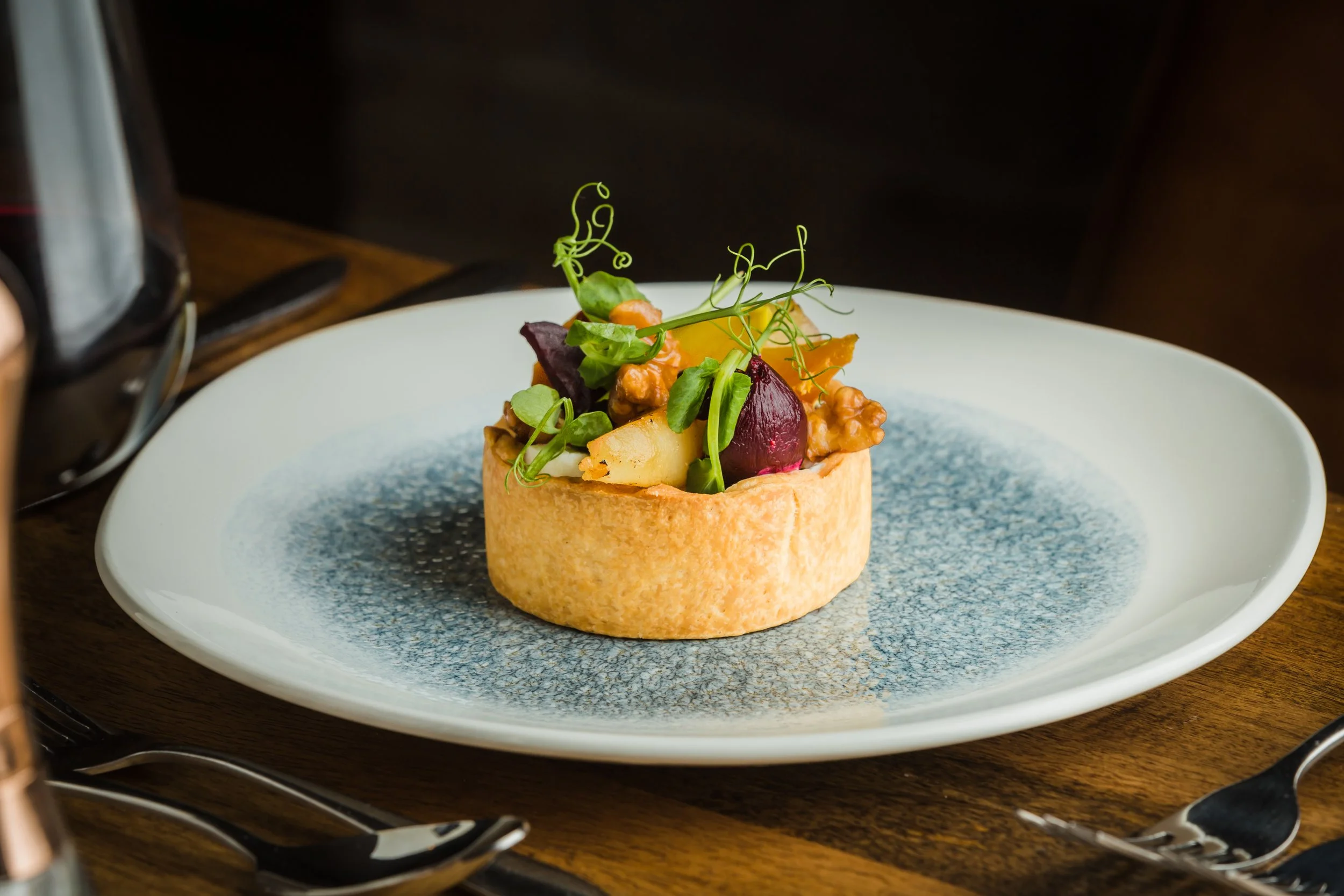
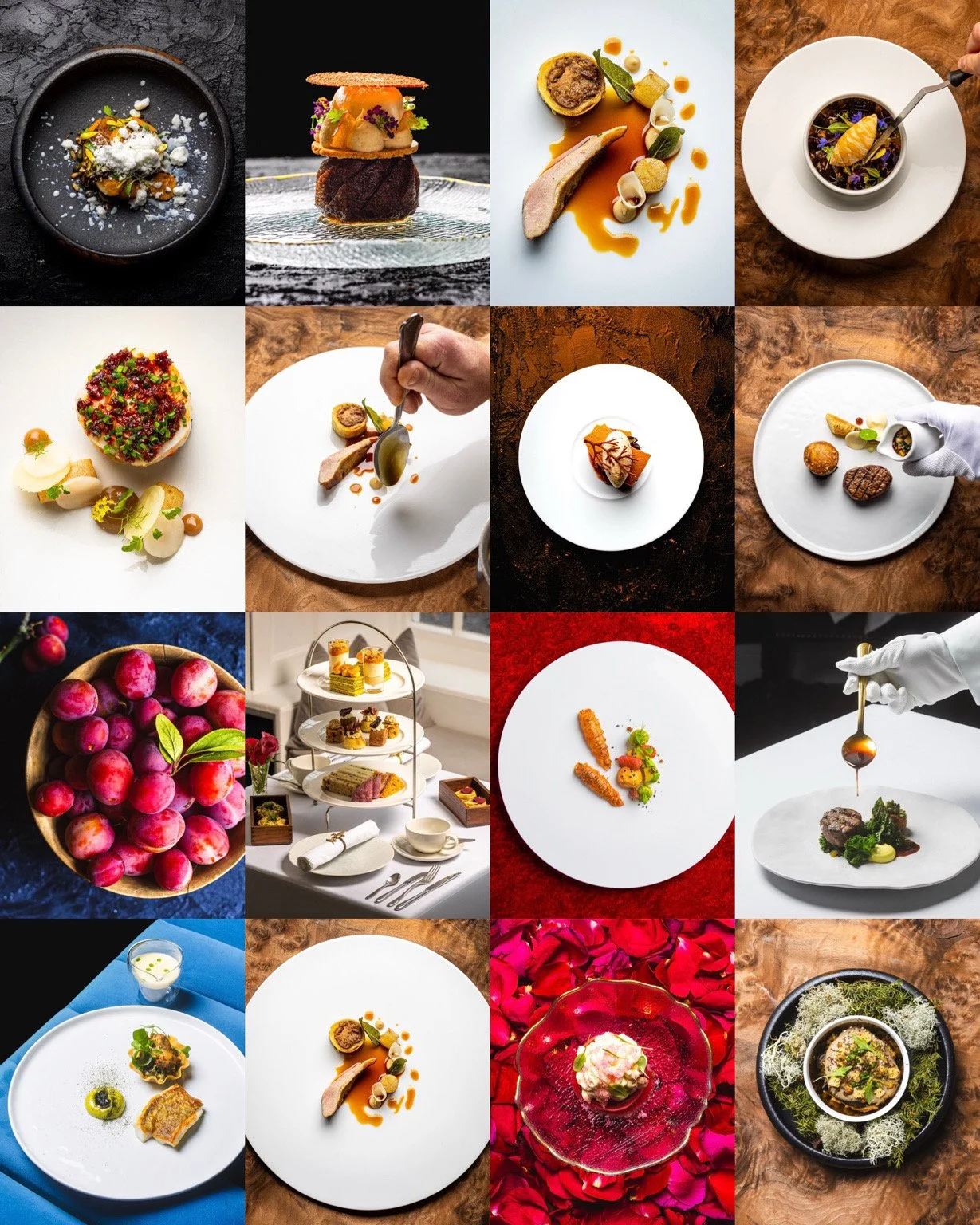
The photographs below are a small selection of the work I’ve created for hotels and restaurants that wanted their food to make people stop scrolling and start booking tables.

If your food deserves to look as remarkable as the experience you deliver, I’d love to help.

Ray

#FoodPhotography #Hospitality #HotelMarketing #RestaurantMarketing

Why Even the Most Confident People Feel Nervous in Front of the Camera

One of the things I've learned over the years is that confidence is often more situational than we realise.

I regularly photograph CEOs, comedians, team leaders and business owners. These are people who stand on stages, lead meetings and present ideas with apparent ease. From the outside, they look completely confident.

Yet, when it's time to have their photograph taken, many of them tell me exactly the same thing.

"I hate having my photo taken."

"I never know what to do with my hands."

"I'm not photogenic."

The nerves appear.

The truth is that being confident in one area of life doesn't automatically mean feeling confident in another. You can deliver a keynote speech to hundreds of people and still feel vulnerable when a camera is pointed in your direction.

I see it all the time.

Having photographed nervous wedding couples for many years, I learned very quickly that the camera itself isn't usually the problem. It's the fear of being judged, looking awkward, or not recognising yourself in the final images.

That's why so much of my job isn't about cameras, lenses or lighting.

It's about people.

It's about conversation, reassurance and helping someone settle into the experience. It's creating an environment where they can stop worrying about how they look and simply be themselves.

Because when that happens, something changes.

The forced smile disappears.

The tension eases.

The person their family, friends, colleagues and clients know begins to shine through.

I often say that your portrait gives your potential clients a handshake before you've ever met them.

Before someone reads your testimonials, picks up the phone or walks through your door, they've already formed an impression from your photograph. Does it feel approachable? Authentic? Trustworthy? Does it reflect the confidence and warmth you naturally bring to your work?

The best portraits aren't about making you look like somebody else.

They're about helping you recognise the best version of yourself.

So if you've been putting off updating your photographs because you don't feel photogenic, you're in very good company. Some of the most successful and outwardly confident people I've photographed have felt exactly the same way.

And that's perfectly normal.

If you'd like portraits that capture the real you, and help you show up with confidence before you've even said hello, I'd love to help.

Ray

Why Video Content Feels Different Today

There’s been a noticeable shift in how people respond to video online.

For years, businesses believed professionalism meant polished productions, scripted presentations, dramatic music and highly controlled environments. The thinking was simple: the more expensive and cinematic the video looked, the more trustworthy the business appeared.

But audiences have changed.

People consume so much content now that they’ve become incredibly good at spotting when something feels overly manufactured or disconnected from reality. In some cases, highly polished video can actually create distance between the business and the viewer because it immediately feels like advertising.

That’s one of the reasons simpler content is often outperforming expensive productions on platforms like LinkedIn, Instagram and TikTok.

People respond to personality.
They respond to honesty.
They respond to natural communication.

They want to feel like they’re hearing from a real person rather than watching a corporate presentation.

That doesn’t mean quality no longer matters.

In fact, I’d argue quality matters just as much as ever. Good lighting, clear sound, thoughtful framing and strong storytelling still make a huge difference. The difference today is that audiences want those things delivered in a more human and relatable way.

I learned video back in the 1990s, long before social media existed, and I’m genuinely grateful for that foundation because it taught me something important very early on:

communication matters more than equipment.

Today I create a lot of my own content. Sometimes I record on a phone. Other times I’ll use my mirrorless camera when I want more control over lighting or depth. But regardless of the equipment, the real challenge is understanding how the viewer needs to feel when watching.

That’s where photography and video become closely connected.

I’m a commercial photographer first, but over the years I’ve developed both skill sets and, to me, they’re deeply related disciplines. Both rely on understanding light, atmosphere, timing, composition and emotional response.

Both are about directing attention.

Both are about trust.

The businesses succeeding with video today are often the ones willing to communicate more openly and personally rather than hiding behind highly corporate messaging.

Ironically, that takes confidence.

A lot of people misunderstand authenticity and assume it means casual or careless content. It doesn’t.

Poor sound, weak lighting and rambling communication are not authenticity. They’re distractions.

The strongest modern content usually sits somewhere in the middle:
professional enough to hold attention,
human enough to build connection.

And I believe that balance is where modern visual communication is heading.

You’ve probably seen me on video somewhere online yourself. That alone says a lot about how powerful personal communication has become. A simple video recorded honestly can now reach thousands of people without needing a television crew or massive production budget.

The technology changed.

But human connection still matters most.

If Your Food Looks Average, It Is Average

Why This Matters More Than Ever

Luxury is no longer defined purely by price or location.

It’s defined by coherence.

From your interiors to your service to your online presence, everything must speak the same language. If your dining room feels refined but your photography feels casual or inconsistent, it creates friction.

And friction loses trust.

The Quiet Power of Getting It Right

When your imagery aligns with your food, something shifts.

You stop attracting everyone… and start attracting the right people.

Guests who understand value. Guests who appreciate detail. Guests who are willing to invest in an experience, not just a meal.

That’s where real growth happens.

A Final Thought

Your food already carries the story.

The question is whether you’re showing it properly.

Because in this market, being exceptional isn’t enough.

You have to be seen that way.

Ray

Business Portraits: The Other Side of My Lens

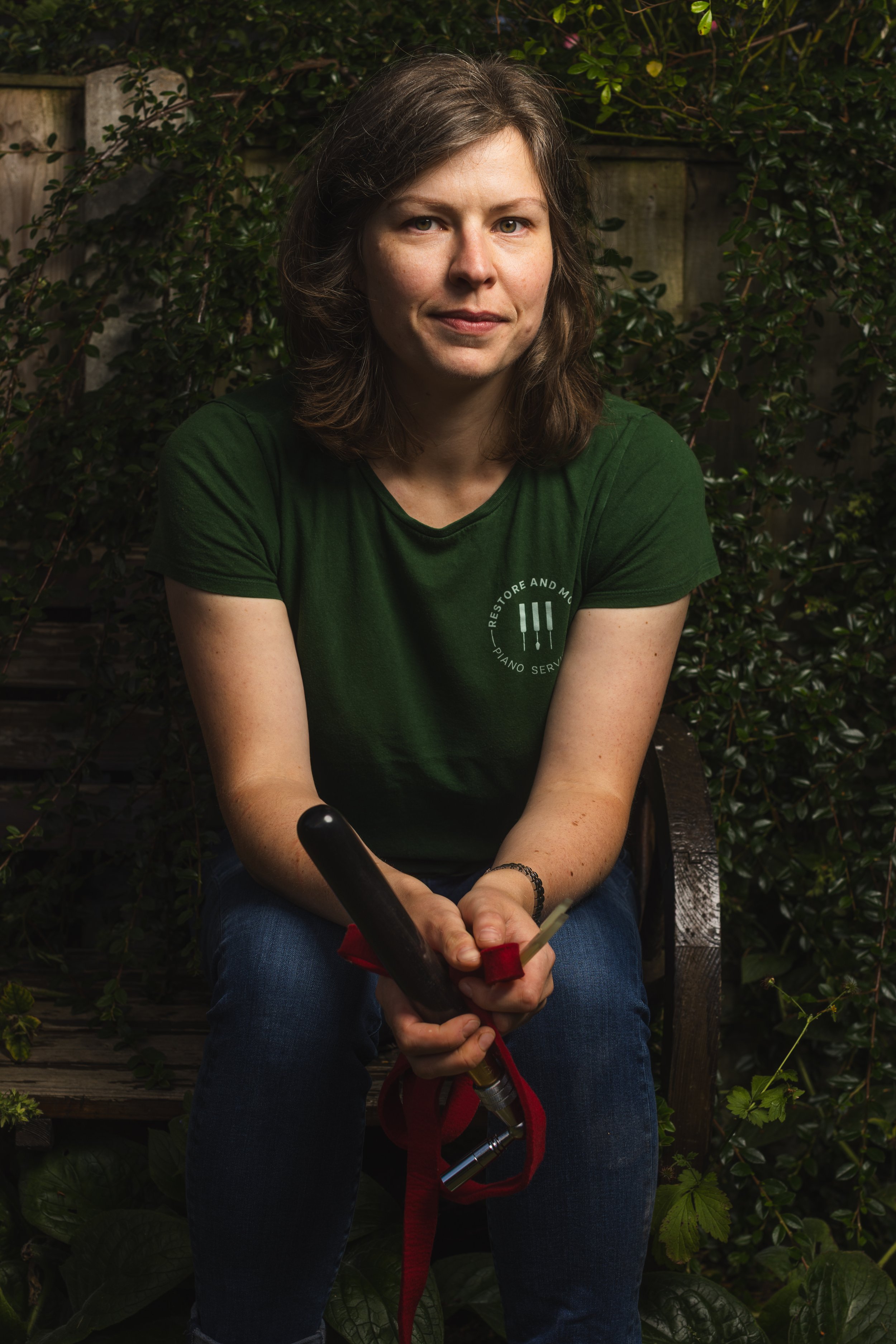
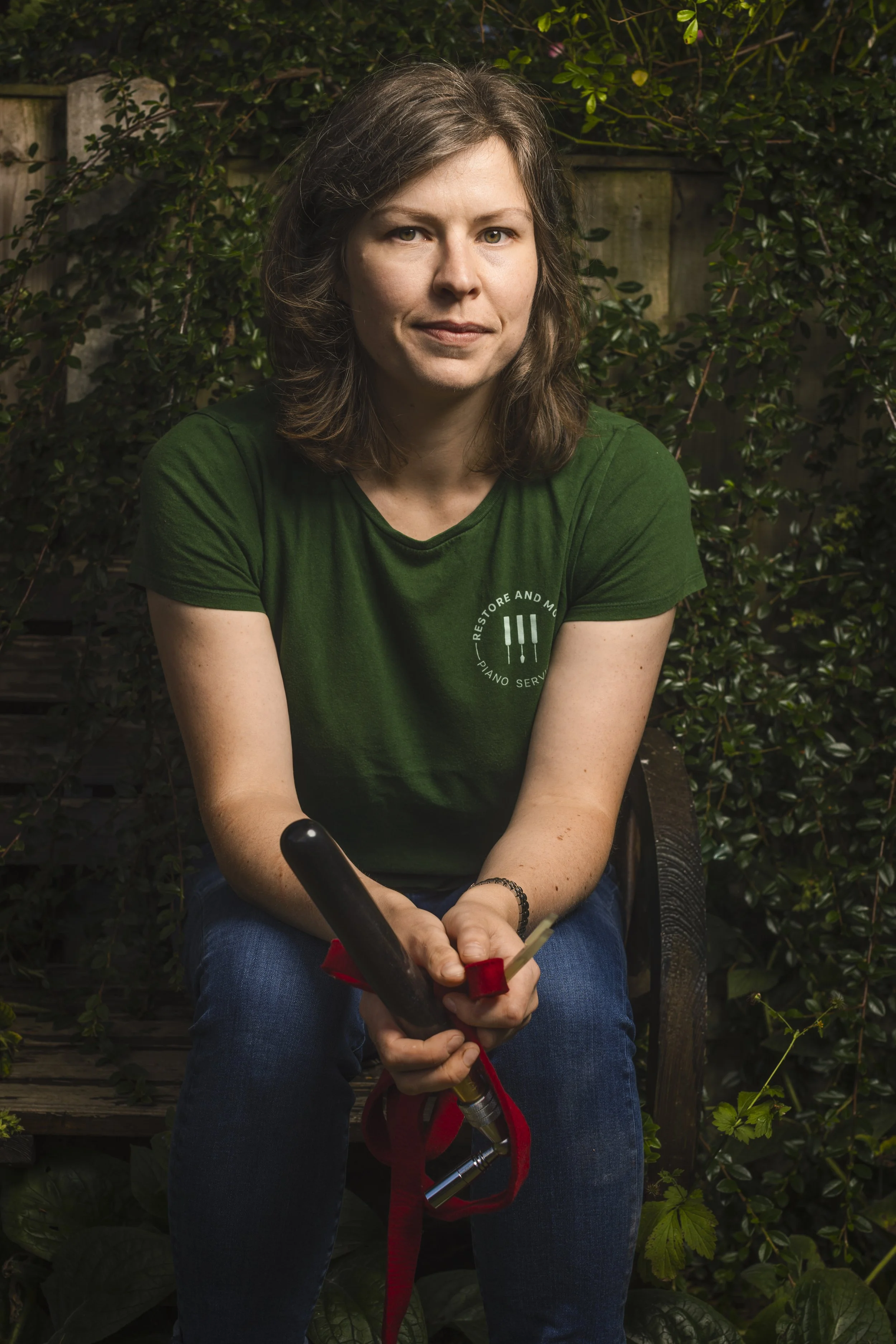
Most people come across my work through food, carefully crafted plates, rich textures, and the quiet story behind every dish. Food photography has long been a core part of what I do. But there’s another side to my work that’s just as important: business portraits.

Because behind every brand, every plate, and every business, there’s a person.

Over the years, I’ve worked with professionals who need more than just a “headshot.” They need images that reflect who they are, how they work, and what they stand for. Whether it’s a painter and decorator, a consultant, or a business owner, the goal is always the same: to create portraits that feel natural, confident, and real.

My approach to business portraits is shaped by my experience in food photography. Light, detail, and composition matter just as much when photographing a person as they do a dish. I look for the subtle things, the way natural light falls across a face, the environment that adds context, the small details that make someone recognisable and relatable.

I don’t overcomplicate it. No stiff poses. No forced expressions. Just honest, well-crafted images that people are proud to use across LinkedIn, websites, and social media.

Many of my shoots take place on location; workspaces, offices, or outdoors; where the surroundings help tell the story. And at this time of year especially, the natural light brings an added depth and warmth that you simply can’t replicate in a studio.

Food photography may draw people in, but business portraits are what connect them.

If your current images don’t feel like you anymore, it might be time to change that.

Ray

Are Photographers Artists Like Painters

Yes. They truly can be.

The idea that painters are somehow “higher” artists mostly comes from history, not from truth. Painting has had centuries to build prestige. Photography is younger, and because a camera is mechanical, people assume the machine does the work.

But a brush is also just a tool.

When Pablo Picasso painted, the paint didn’t make the art. His decisions did. When Leonardo da Vinci worked on a canvas, the power came from observation, composition, light, proportion.

Photography demands the same things.

Look at Henri Cartier-Bresson. He spoke about the decisive moment, that fraction of a second where geometry and emotion align. That is not mechanical. That is perception trained to a razor edge.

Or Cindy Sherman. She constructs identity, narrative and commentary through the camera in ways that hang comfortably in major galleries beside paintings.

The medium changes. The artistic act does not.

A painter builds an image stroke by stroke.

A photographer builds it through selection, timing, framing and light.

Both require vision. Both require taste. Both require restraint.

The feeling that one is “more artistic” usually comes from myth and tradition, not from substance.

Art is not defined by the tool.

It is defined by intention, interpretation and authorship.

If those are present, then yes, photographers are artists in the same sense painters are.

Ray

When a Headshot Becomes Brand Architecture

Some people love the camera.

Some people tolerate it.

And some would genuinely rather be anywhere else.

When Wayne Grisedale told me he doesn’t enjoy having his photo taken and rarely posts on social media, I knew this wasn’t about creating a “smiley headshot”.

It was about creating the right headshot.

Wayne is a web designer and SEO specialist. His new website, www.webdesignseo.com carries a strong black background throughout, so he wanted a portrait that felt seamless within that visual identity.

Black background.

Controlled light.

Confident expression.

No distractions.

When a portrait fits the brand, it doesn’t look like an add-on. It looks intentional.

We met at my cottage near Chirk and had a proper conversation over coffee about business, goals for 2026, and how we can support each other’s growth. That part matters. People relax when they feel heard, not posed.

The result? A portrait he feels comfortable using.

And for someone who doesn’t like being photographed, that says everything.

If your website is evolving, your imagery should evolve with it.

Your headshot isn’t just a photo.

It’s part of your brand architecture.

Ray

#portraits #business

Trends Fade. Craft Remains.

Recently I met with a food client to discuss visual direction for their brand. We talked about the nuances between high end dining and gastro pub presentation. Rustic versus refined. Dramatic versus generous. Every category has its own visual language.

And then we talked about filters.

It’s fashionable at the moment to apply a preset and let it “elevate” an image. One click and the photograph feels stylised, cohesive, contemporary.

But experience teaches you something important.

Filters change colour.

Carrots shift towards yellow.

Greens cool into blue.

Blacks lift into charcoal grey.

And once that happens, you’re no longer honouring the dish. You’re imposing a trend onto it.

In fine dining, colour is not accidental. A chef plates with precision. The tone of a reduction, the brightness of a herb oil, the exact shade of a purée against a white plate. These are deliberate decisions made after years of refinement. When we distort those colours for the sake of fashion, we dilute the craft behind them.

That does not mean style is irrelevant.

It matters deeply.

High end food may call for sculpted light, controlled contrast and a sense of drama. Gastro pub food might lean towards warmth, texture and abundance. The atmosphere should reflect the experience.

But that atmosphere should be built through lighting, composition and understanding, not layered on afterwards.

There is a clear difference between reacting to trends and leading with expertise.

My background is rooted in years of wedding photography. That environment teaches you one non negotiable rule very quickly: protect skin tone integrity. You do not alter someone’s complexion because a preset is fashionable. Respect for tone is fundamental.

The same respect applies to food.

Today my focus is portraits and food photography. Portraits because of experience. Food because of passion and a genuine love of fine dining.

Both disciplines demand precision.

Both demand sensitivity to tone, texture and light.

Both require presence rather than shortcuts.

The image below reflects that philosophy. Controlled light. Intentional shadow. True colour. No filter imposing itself over the chef’s work. The dish remains the hero.

Trends will continue to move. Presets will come and go. Algorithms will reward whatever is current.

Craft endures.

And longevity belongs to those who choose it.

Ray

Why Authentic Photography Matters More in the Age of AI

The more AI generated images I see, the more I find myself stepping back.

Not because the technology isn’t impressive. It is. It’s fast, technically sharp and endlessly inventive. With a few prompts, entire scenes appear. Light is perfect. Composition is flawless. There’s no waiting, no weather to contend with, no awkward gaps.

But that’s precisely the point.

There’s no waiting.

There’s no uncertainty.

There’s no human exchange.

Real photography asks something of you. It asks you to show up. To stand in the cold. To observe. To make decisions in real time. It demands that you respond to what’s actually happening rather than regenerate something more convenient.

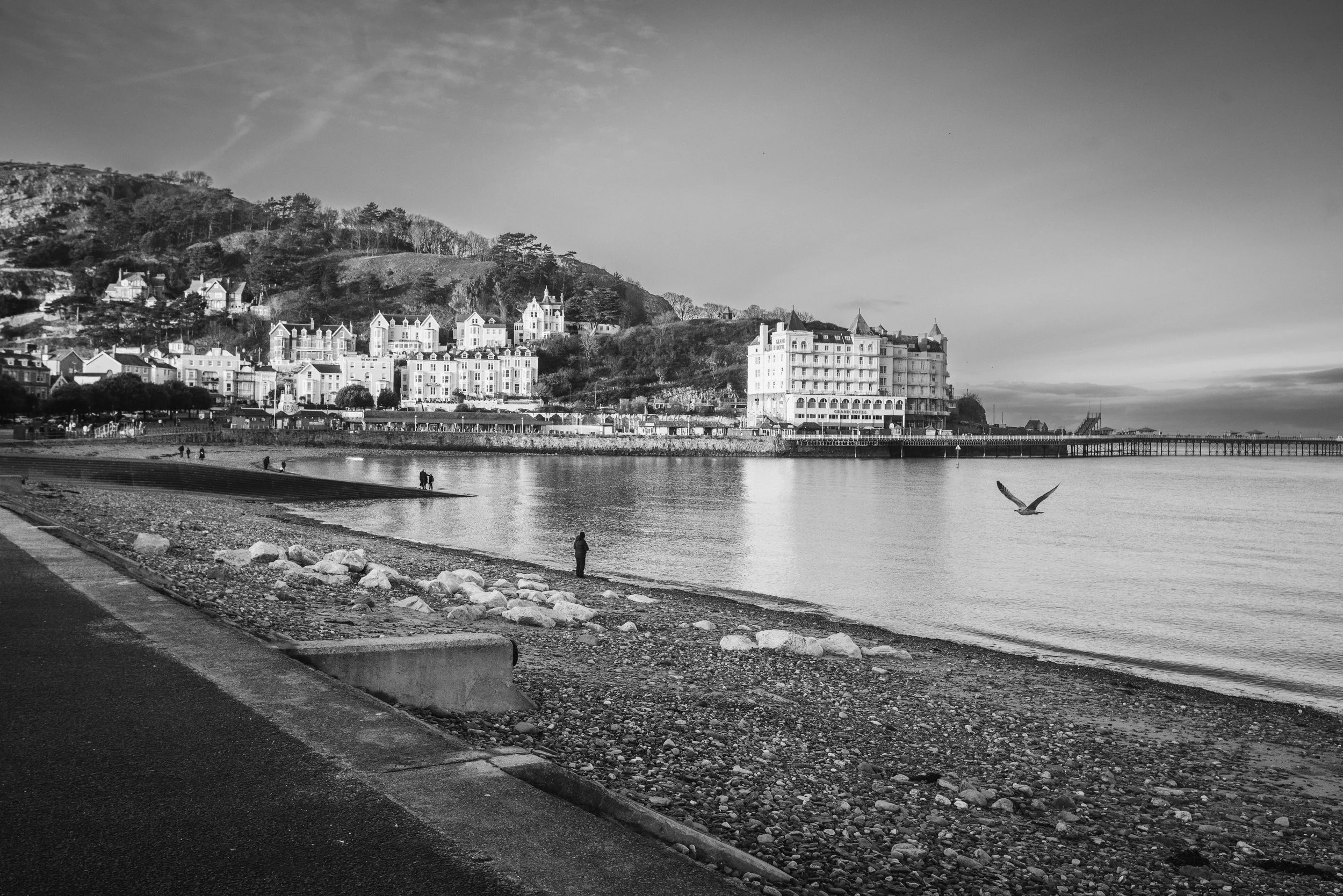
Three weeks ago, I visited Llandudno on a cold Saturday morning. I walked along the promenade with my camera, not knowing whether anything meaningful would present itself.

This black and white image came from that walk.

The seagull swept into the frame without warning. I could hear its wings cut through the air. I could smell fish and chips drifting across the shoreline. The sea was still, the light soft but flat, the buildings watching over the bay as they have done for decades.

I didn’t generate that moment.

I noticed it.

And I committed to it.

That is the difference.

AI can simulate atmosphere. It can mimic grain. It can even imitate nostalgia. But it cannot stand on a beach and feel the wind change direction. It cannot sense the subtle shift in light before the shutter clicks. It cannot read the rhythm of a place.

Photography is not just about producing an image. It is about presence.

There is something else that concerns me. Increasingly, AI images are appearing on business profiles, particularly on platforms where trust should matter most. When an image is presented as a representation of reality but is entirely constructed, what story is really being told? If the visuals are fabricated, what does that suggest about the brand behind them?

In business, trust is currency.

Authenticity builds it.

As AI generated content floods our feeds, I believe something interesting is happening. Real, grounded photography begins to stand out more, not less. People start to look beyond polish. They begin to ask where an image came from. Whether someone was actually there. Whether the moment truly existed.

Because authenticity has texture.

It carries the weight of time, place and decision.

AI can generate images endlessly.

Photography creates meaning through presence.

And quietly, I believe that distinction will matter more and more.

Ray

When Perfection Isn’t Real: Why Authentic Photography Still Matters

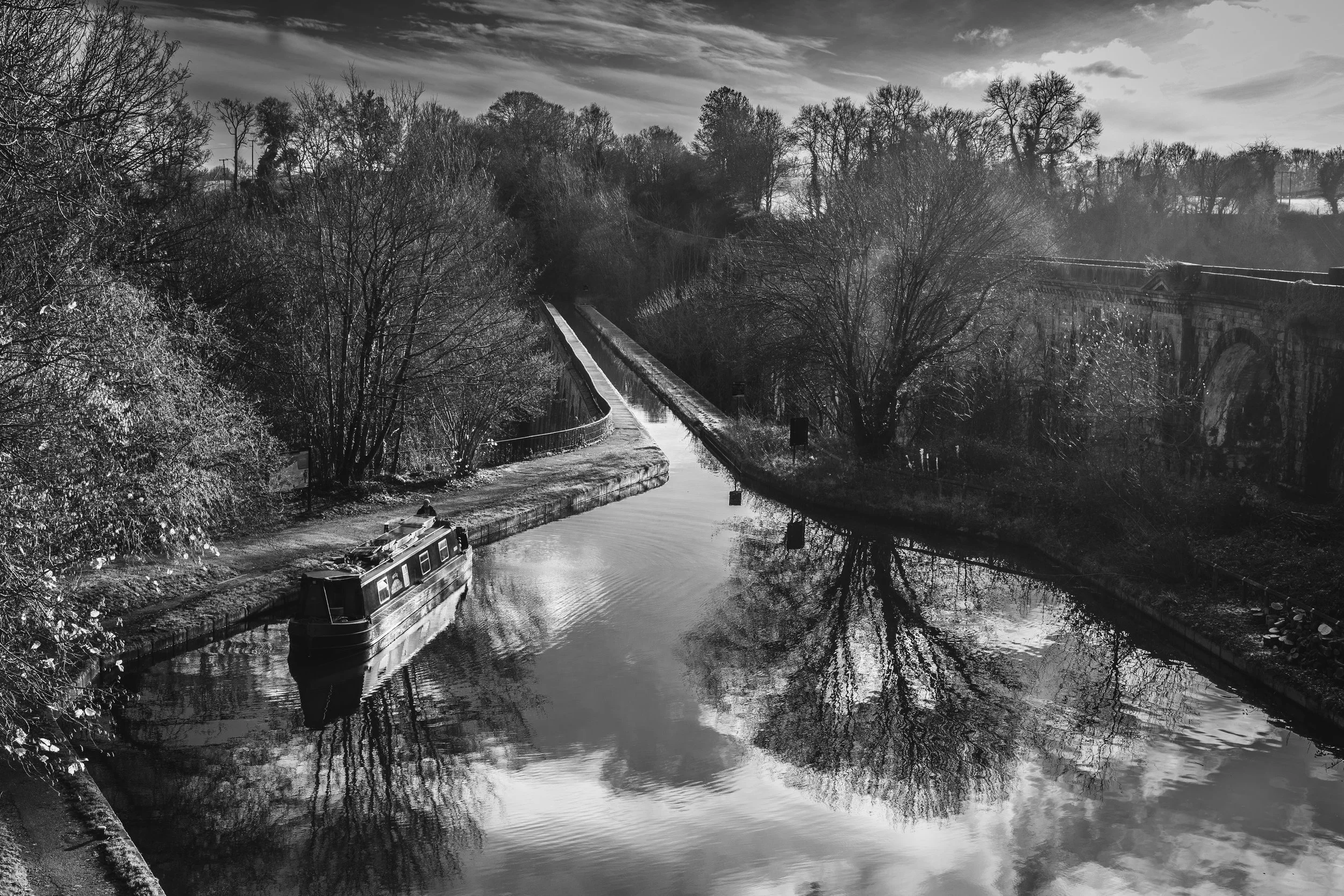
I took a walk down the canal on my lunch break today, taking a pause from editing. With the winter sun sitting low in the sky, the canal came alive and I made this photograph.

Lately, I am seeing an overwhelming amount of AI images and videos gaining huge attention. AI video is becoming more and more realistic, and the same is true of AI photography. It is a shame that when I read the comments under these posts, so many people are falling for them, not through any fault of their own. If you are not a photographer, it is difficult to know what to look for. Even I am beginning to be fooled at times.

AI imagery often still feels like AI, too clean and too perfect, but the gap is closing fast. It reminds me of the shift from vinyl to CD. Technically impressive, yes, but something intangible was lost.

It also makes me wonder whether we will eventually turn away from the internet altogether if we can no longer tell what is real and what has been created.

When I photograph people, or landscapes like this, what matters to me is authenticity. The light as it truly was. The moment as it happened. Imperfections and all.

That is what keeps photography meaningful to me.

Ray

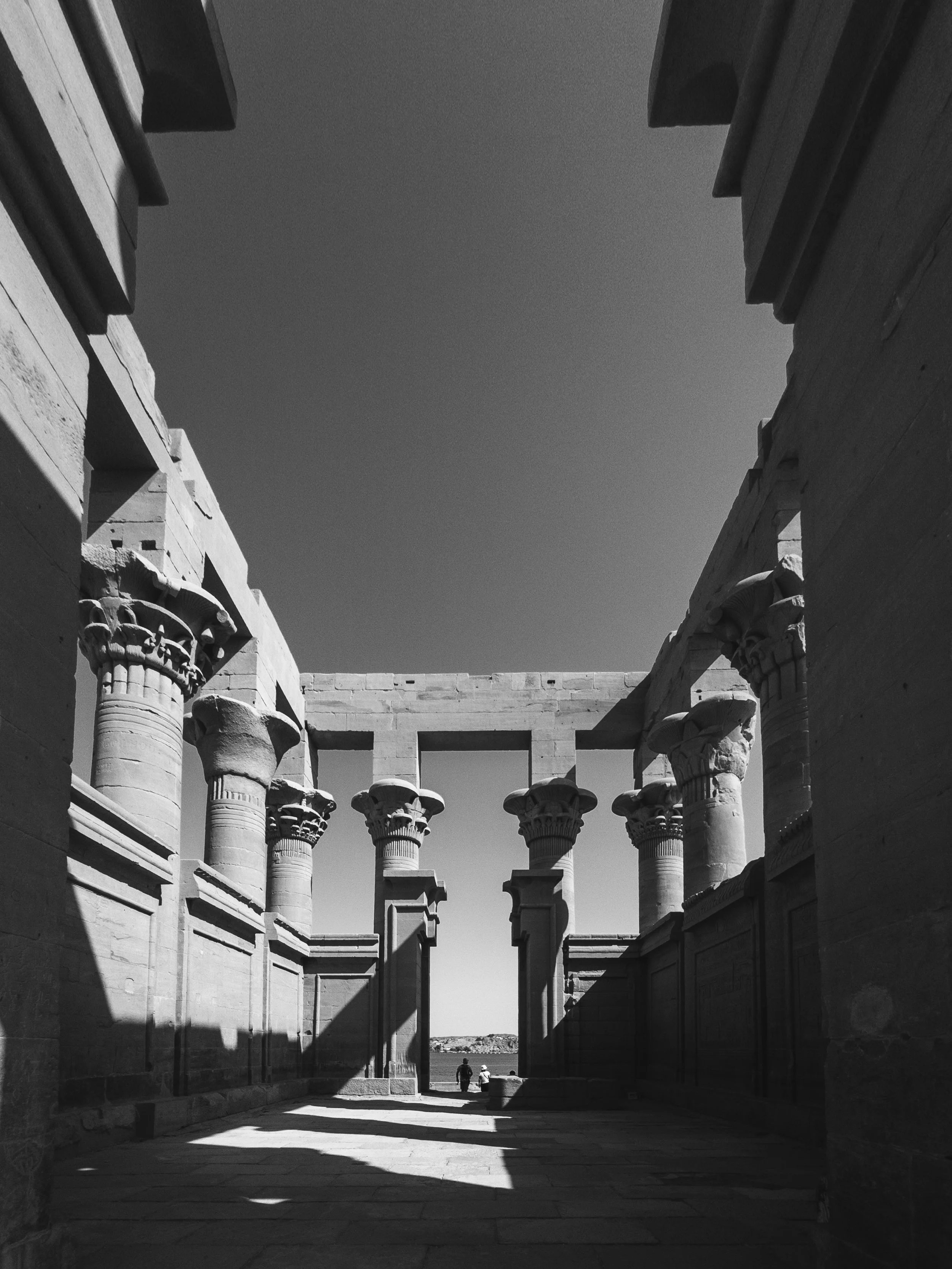
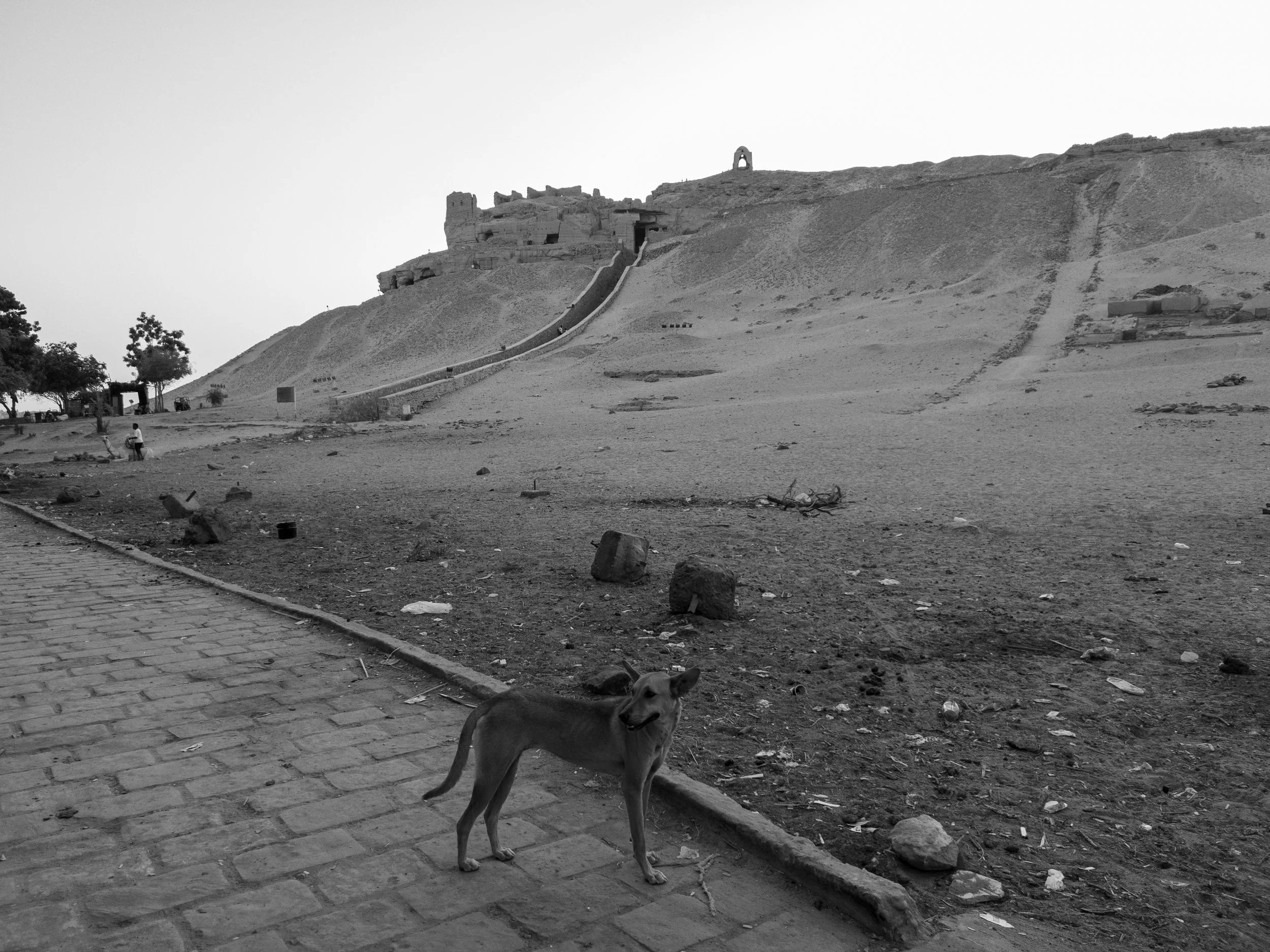
Dreaming Through Egypt: My Journey Along the Nile

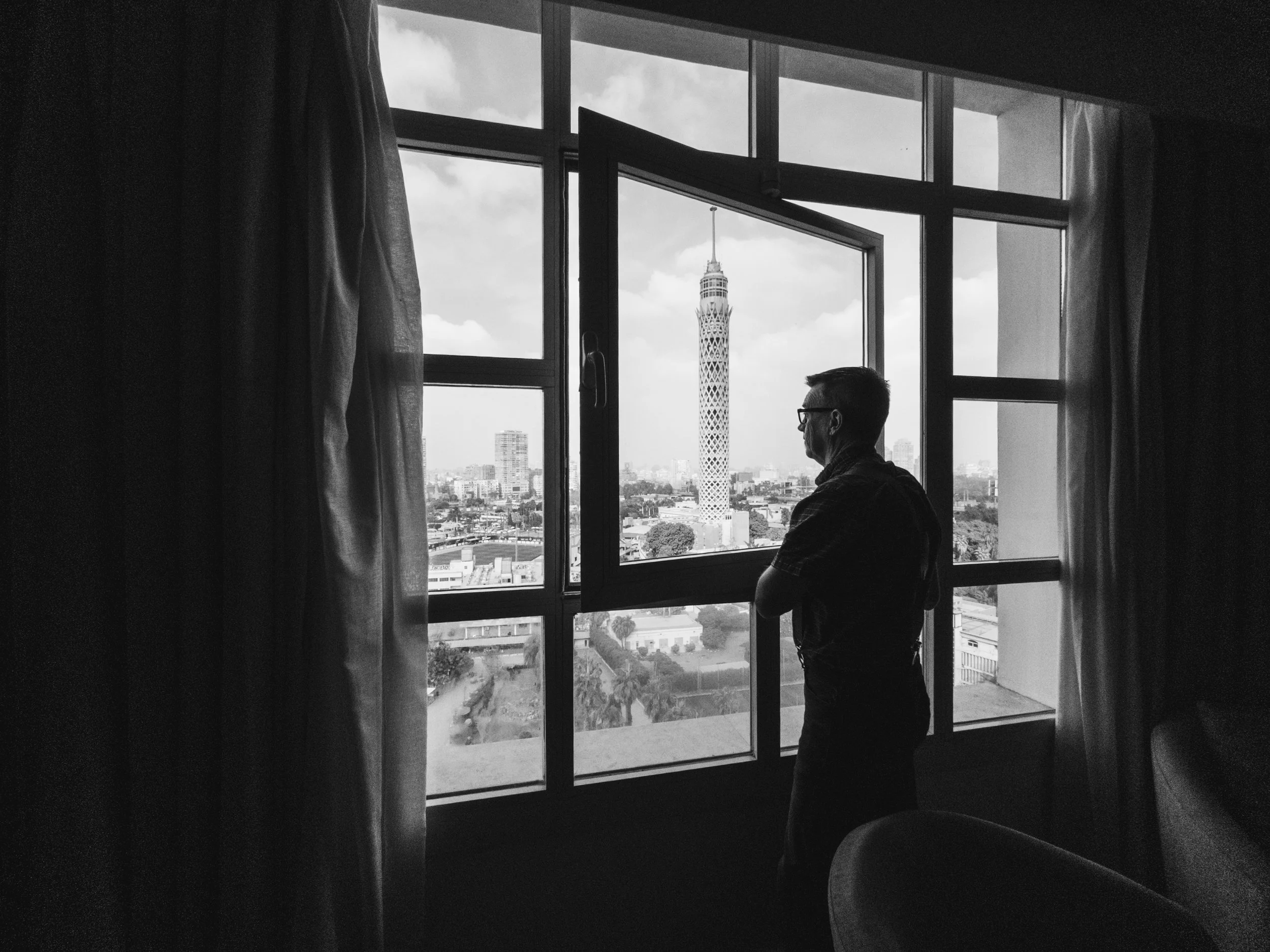
Returning from Egypt, I feel as if I’ve stepped through time itself. From the bustling streets of Cairo to the quiet desert near the Nile, every corner of this remarkable country is a lesson in history, light, and seeing the world through a lens.

Cairo

Cairo hits you immediately with energy. The colours, the sounds, the movement, chaos and charm intertwined. For photography, it’s a lesson in patience: finding calm compositions amid the bustle teaches you to see what matters most in every frame.

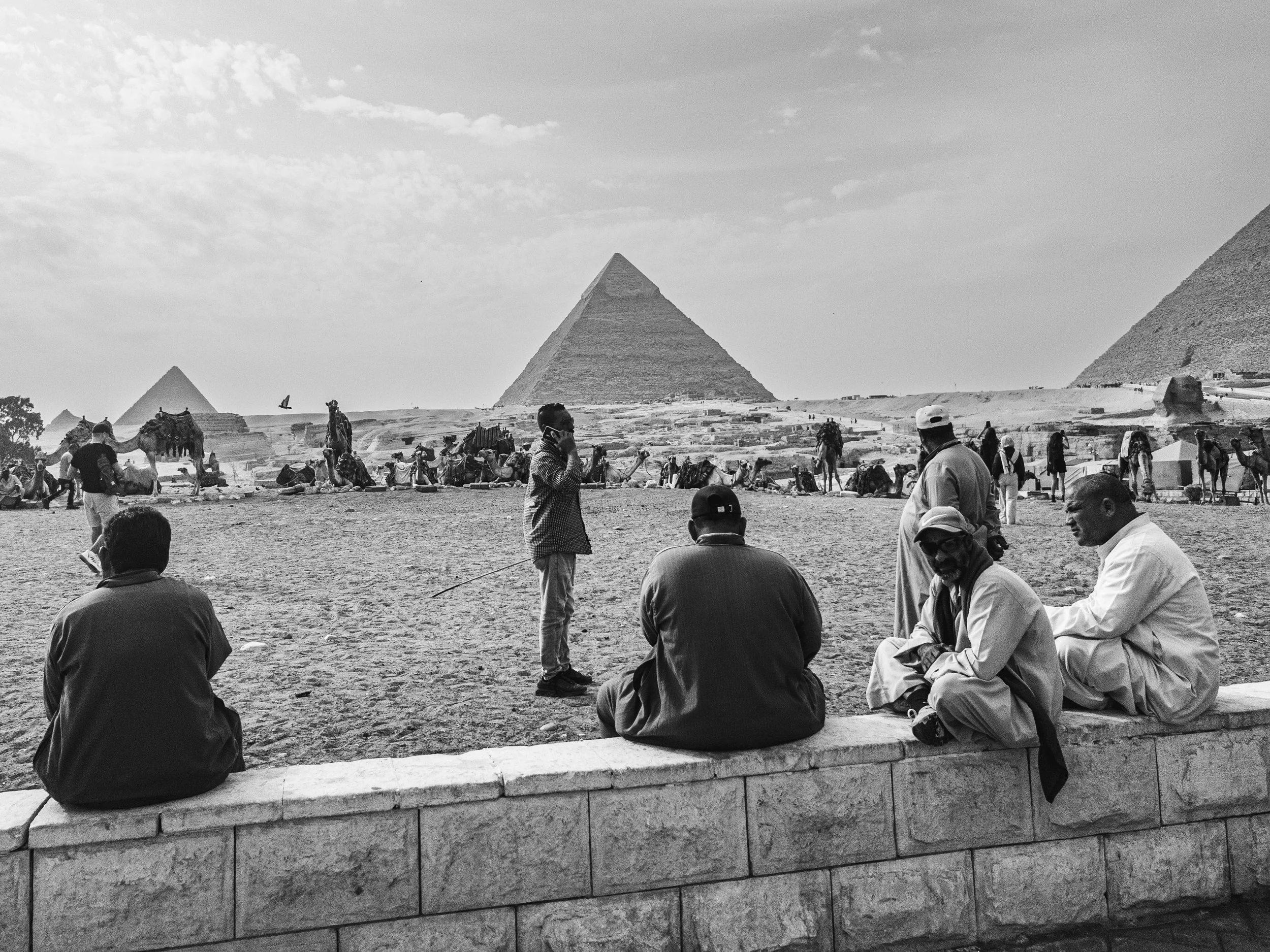
The Pyramids at Giza

Standing before the Pyramids, you realise the power of simple geometry. Strong triangles, deep shadows, and endless scale. It’s a reminder that photography often thrives on shapes, contrast, and perspective rather than complexity.


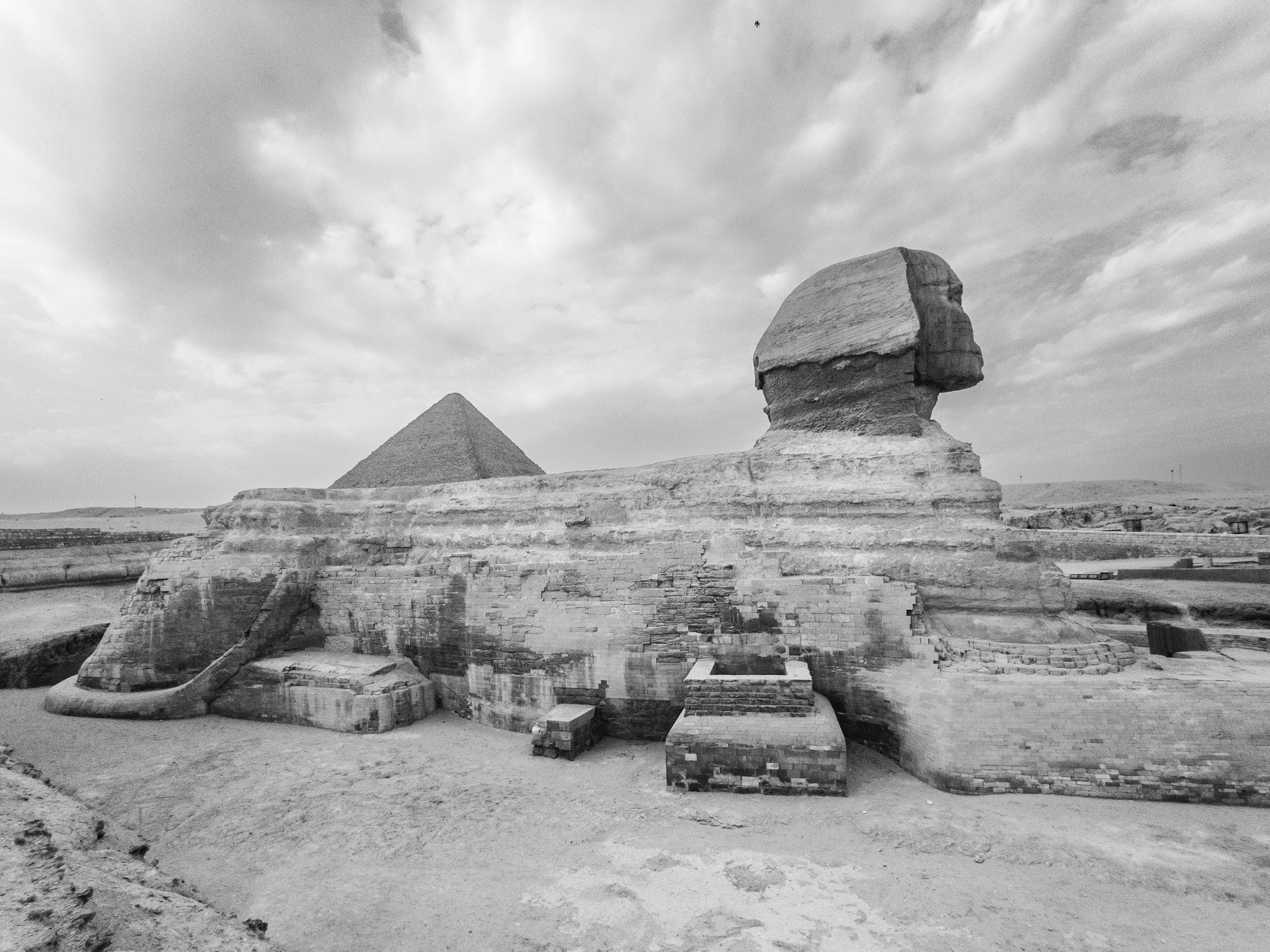
The Sphinx

The Sphinx has a quiet authority. Stepping back and letting the environment frame it created a sense of space and presence in my photos. Sometimes, what you leave out of a frame matters as much as what you include.

The Step Pyramid at Saqqara

At Saqqara, the layered Step Pyramid shows how repetition and rhythm in architecture can guide the viewer’s eye. Ancient design offers modern photography lessons: find patterns, follow lines, and let the structure tell the story.

The Freezing Train Journey from Cairo to Aswan

The overnight train was brutally cold, but even discomfort has its charm. Watching the desert slip past, I remembered that not every moment is glamorous but each adds texture and narrative to the journey.

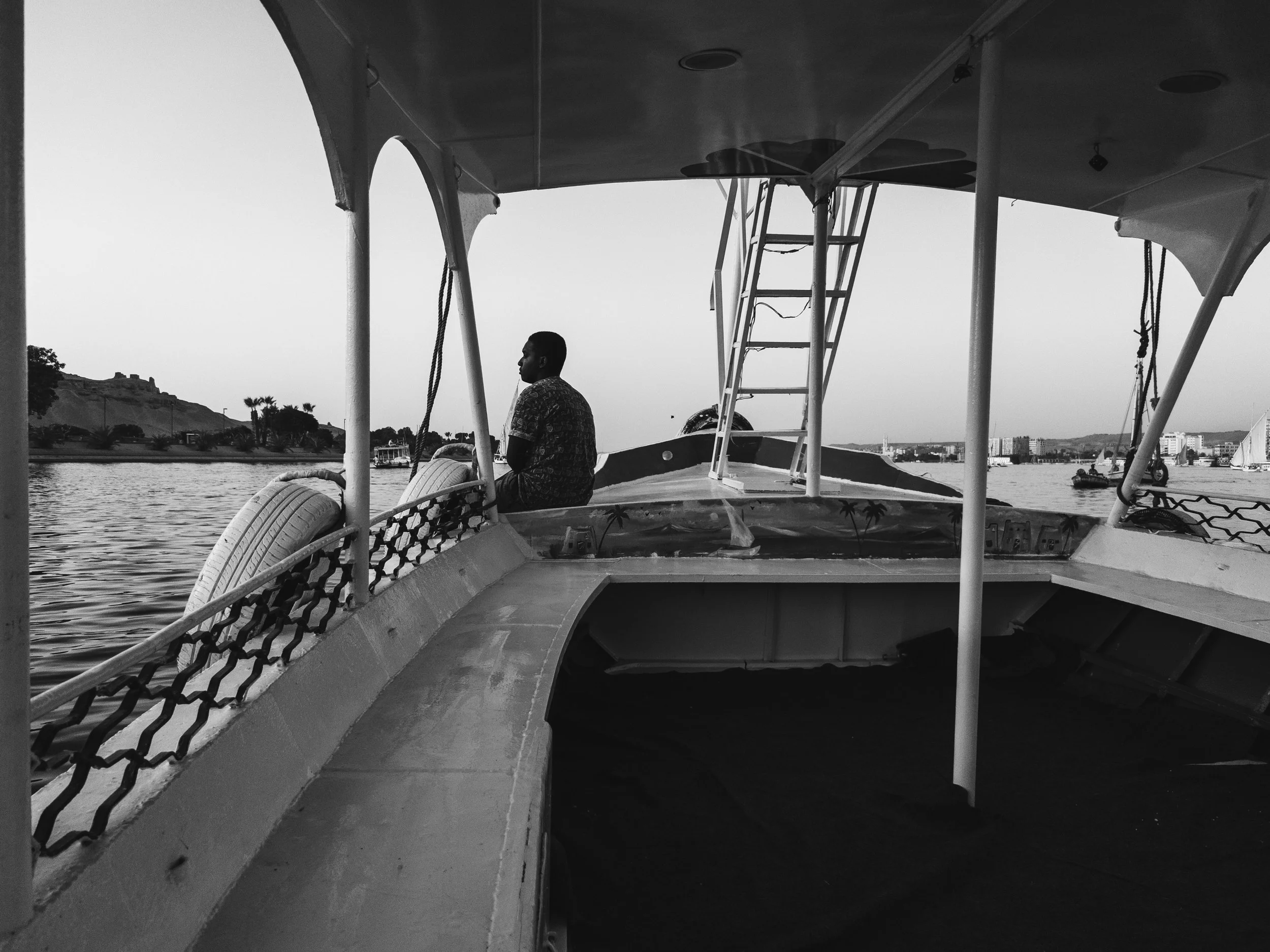
Watching the Boats on the Nile at Aswan

Aswan feels serene. Watching boats glide across the Nile, I noticed how movement and stillness can balance a composition. Even a simple riverscape becomes compelling if you pause and wait for the right light and rhythm.

The Beautiful Boat Journey to the Philae Temple

Approaching Philae Temple by boat was magical. Soft reflections, calm waters, and anticipation made every shot feel contemplative. Sometimes the journey itself provides the most beautiful photography opportunities.

The Sailboat Journey and the Boy Who Sang Along

A local boy joined our sailboat journey, singing as we drifted along the Nile. Moments like this remind you that storytelling in photography isn’t only about monuments, people, laughter, and spontaneity create unforgettable images.


The Majestic Balloon Journey Near the Nile at Sunrise

Floating over the Nile in a hot air balloon at sunrise was surreal. The warm light carved the landscape into gold and shadow, and landing in the quiet desert afterwards felt timeless. Sunrise photography like this teaches you to watch light transform a scene entirely.

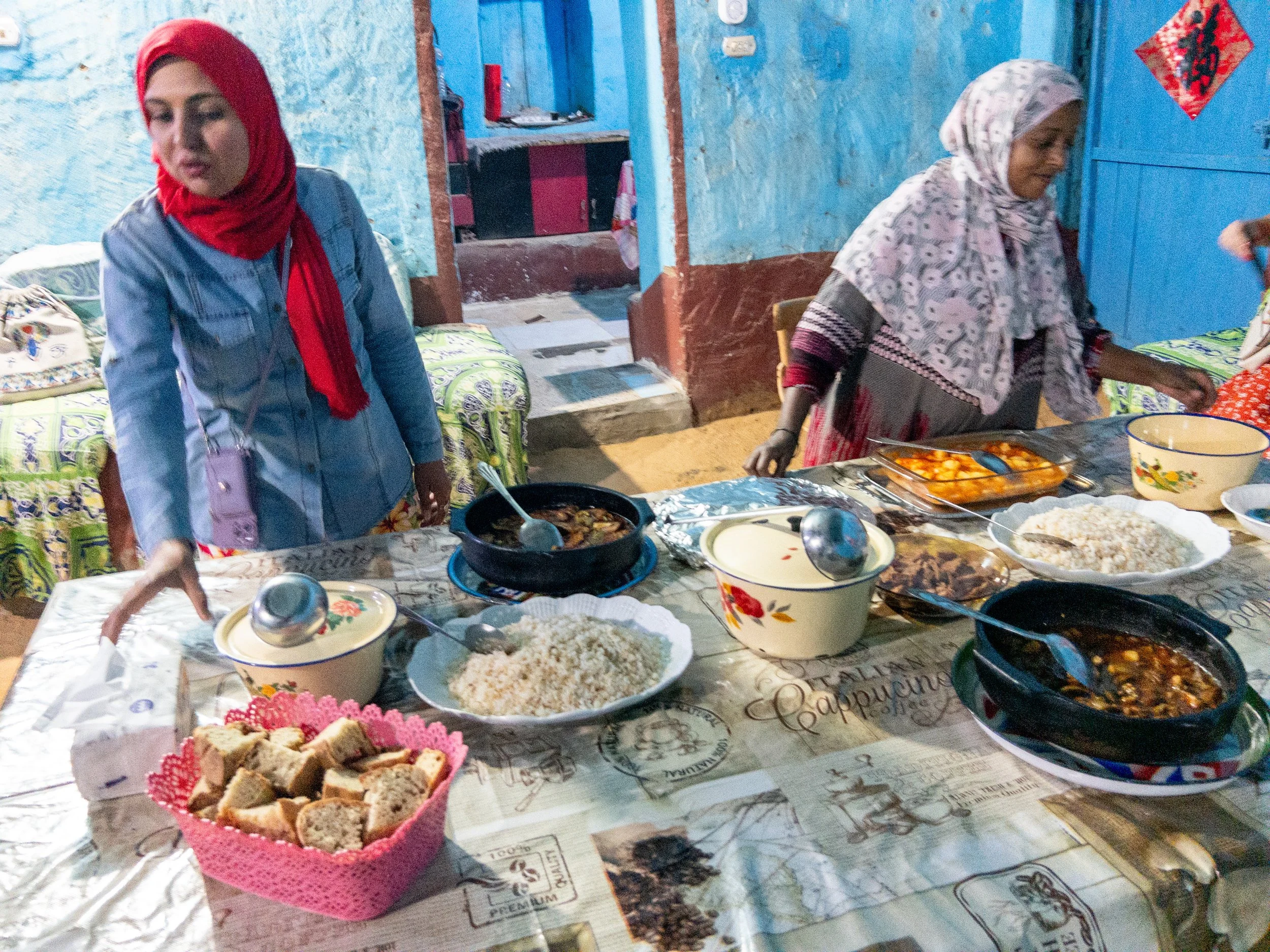
Sailing to a Nubian Village for Dinner

In the evening, we sailed to a Nubian village for dinner. Soft golden light, gentle shadows, and rich colours made it an extraordinary opportunity to capture atmosphere and mood. Every photograph felt alive with human connection.

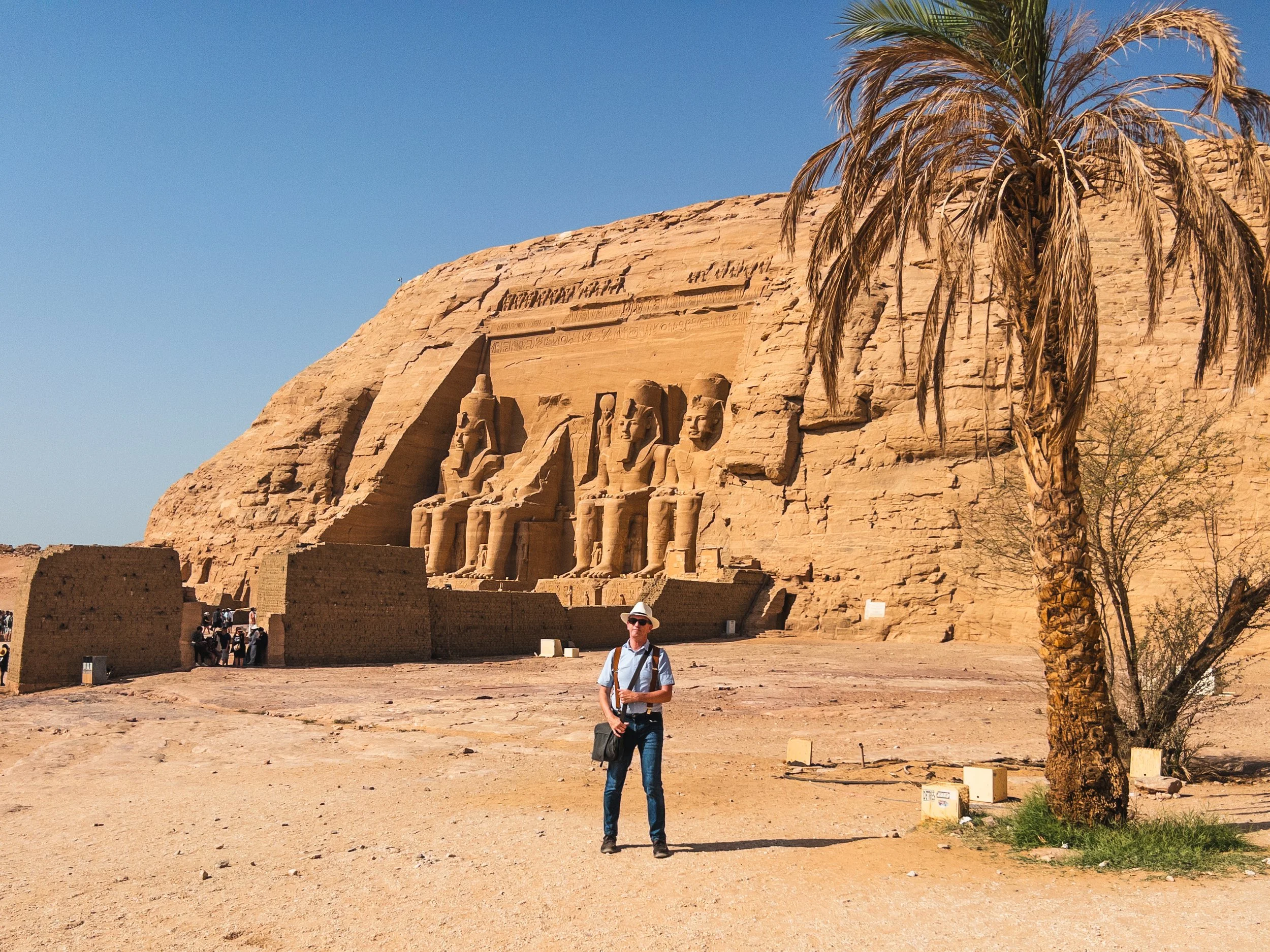
Early Morning at Abu Simbel

Abu Simbel greets the day with grandeur. Harsh desert light met intricate carvings, pushing me to balance exposure and capture detail. It’s a vivid reminder that light is as powerful as the subject itself.

The Aswan Botanical Garden

The Botanical Garden offered a gentle pause. Bright greens and soft textures allowed me to practise seeing subtle contrasts, showing that photography isn’t only about grand monuments but also quiet beauty.

Sailing the Nile and Seeing the Cataract Hotel

Gliding past the historic Cataract Hotel felt like stepping into another era. Its symmetry and elegance made me realise that even buildings tell stories if you look closely, and the flowing Nile adds natural rhythm to every shot.

Egypt is more than history and landmarks. It’s about light, perspective, and presence. Every boat, temple, and desert sunrise taught me something about seeing, slowing down, and capturing moments that last far beyond the lens.

My Busiest Year 2015: Branding Photography

This past year has been one of my busiest and most rewarding yet, filled with countless miles, inspiring people, and some of the best branding photography sessions I’ve ever created.

From the rugged coastlines of North Wales to the vibrant towns and cities across the North West, I’ve had the privilege of photographing entrepreneurs, creatives, and professionals who all share one goal: to bring their personal brand to life through powerful, authentic imagery.

Capturing Real People with Real Stories

What I love most about branding photography is the connection. Every client I work with has a unique story and my job is to translate that story into visual form. Whether it’s a relaxed business portrait in soft natural light, or a bold studio-style image using professional lighting setups, I take time to help each person feel comfortable in front of the camera.

Many of the people I photograph tell me they’re nervous about being photographed. It’s one of my favourite challenges using light, direction, and a calm approach to help you relax and genuinely enjoy the session. That moment when someone says, “I actually like that photo of me!” is priceless.

From Chester to Bangor, and Everywhere in Between

This year, my work has taken me all across North Wales and the North West, photographing in places like Chester, Llandudno, Wrexham, Bangor, Liverpool, and Manchester.

Each location brings its own energy from coastal backdrops to industrial spaces and quiet offices. I’ve even been known to set up portable lighting in the middle of a client’s workspace to create something special and completely unique.

Helping Businesses Stand Out Online

A strong visual identity is essential in today’s digital world. The right imagery can instantly elevate your brand, whether it’s for your website, LinkedIn profile, or social media. My branding photography sessions are designed to capture that balance between professionalism and personality. Every image is crafted with attention to detail, lighting, expression, and colour tone all working together to reflect your brand’s character.

Each client receives a mix of formal and informal portraits, lifestyle shots, and behind-the-scenes images that show the human side of their business. It’s not about stiff poses, it’s about creating connection and trust through authentic, beautifully lit photography.

Looking Back — and Forward

As I look back over the year, I’m incredibly grateful for everyone who’s trusted me with their images. It’s been a whirlwind of shoots, editing sessions, and long drives, but I wouldn’t change a thing.

Photography has taken me to so many places and introduced me to inspiring people doing brilliant things across North Wales and the North West.

If you’re thinking about updating your images or investing in your brand presence, I’d love to help you tell your story.

Ray Jones

Are you a sharer?

I’ve always believed in the quiet power of giving. Not through big, dramatic gestures, but in small, consistent ways like sharing someone’s post, recommending their services, or simply shining a little light on their work.

Over the years, I’ve tried to use my own social media pages to support others, especially fellow businesses. I remember once highlighting the work of a local business owner which took me less than five minutes to write the post, but for them it brought new customers and real encouragement at a time they needed it most.
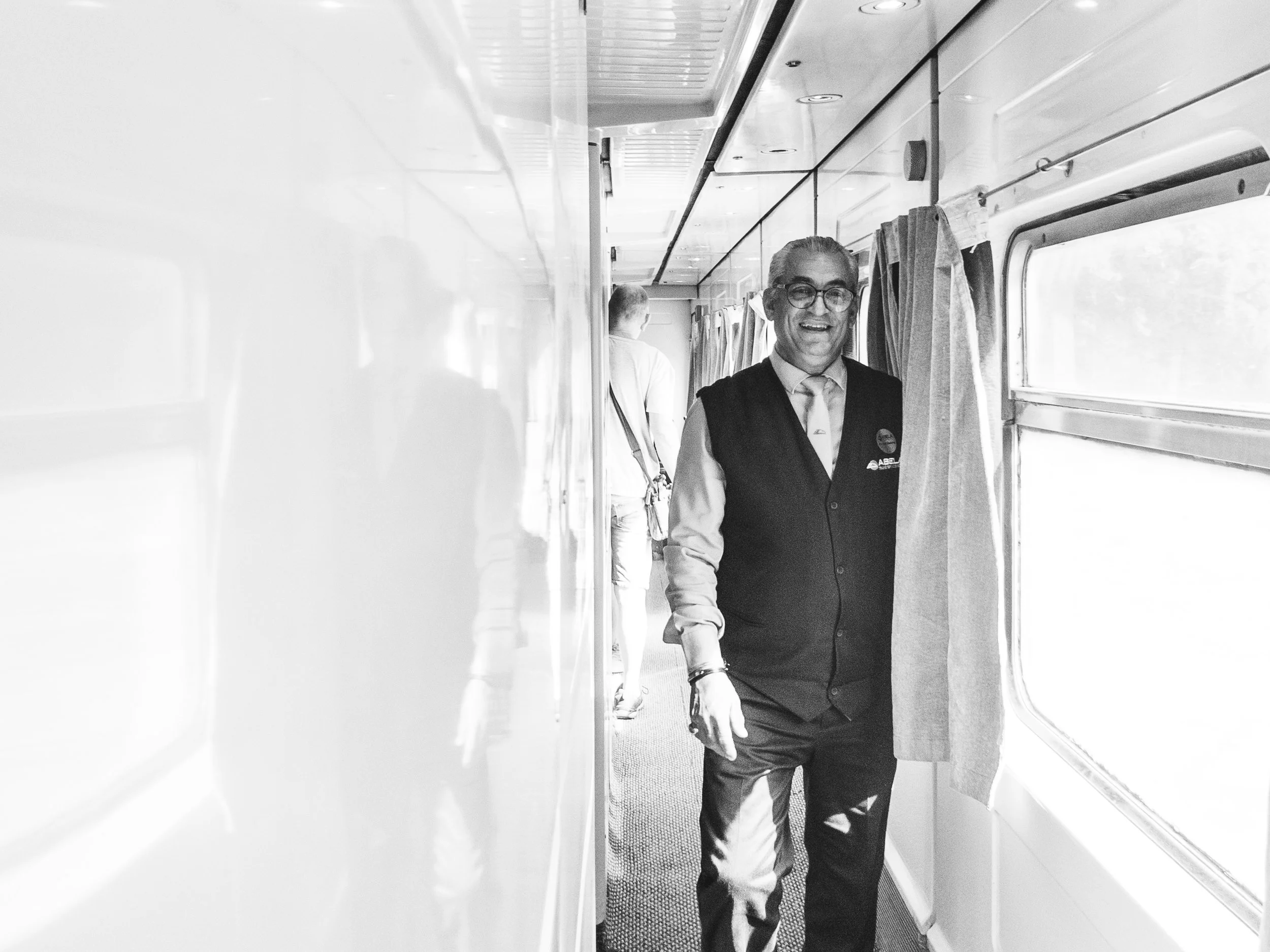
The interesting thing is, that support rarely comes back in quite the same way. But that’s never been my motivation. I don’t do it expecting a favour in return. I do it because generosity creates ripples, even if you don’t always see where they land.

In a business world so often focused on transactions, I believe sharing for the sake of kindness has its own quiet reward.

So, I’ll ask again: are you a sharer?

Ray

“I’m not worthy,” I kept telling myself like a tiny flame trying not to get blown out by a gust of wind.

Honestly, I’m constantly analysing myself, and more often than I’d like to admit, I’m the one throwing a wrench in my own progress — cutting my nose off to spite my face, as they say.

I show up every day, get in front of the camera, speak publicly, but that pesky little voice of doubt still sneaks in, making me want to hit pause or retreat.
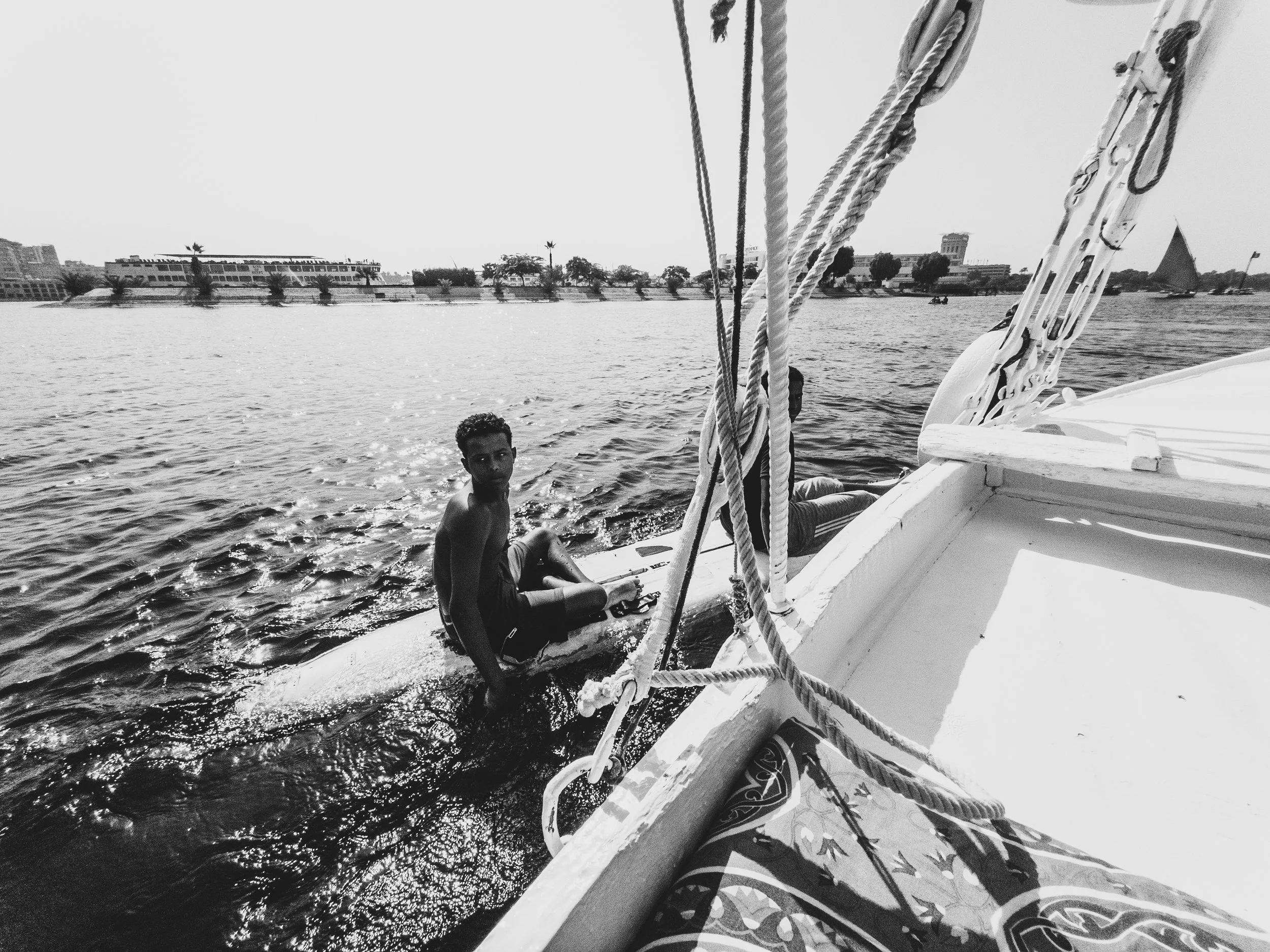
Here’s what I’ve figured out so far:

1. Just showing up is a win
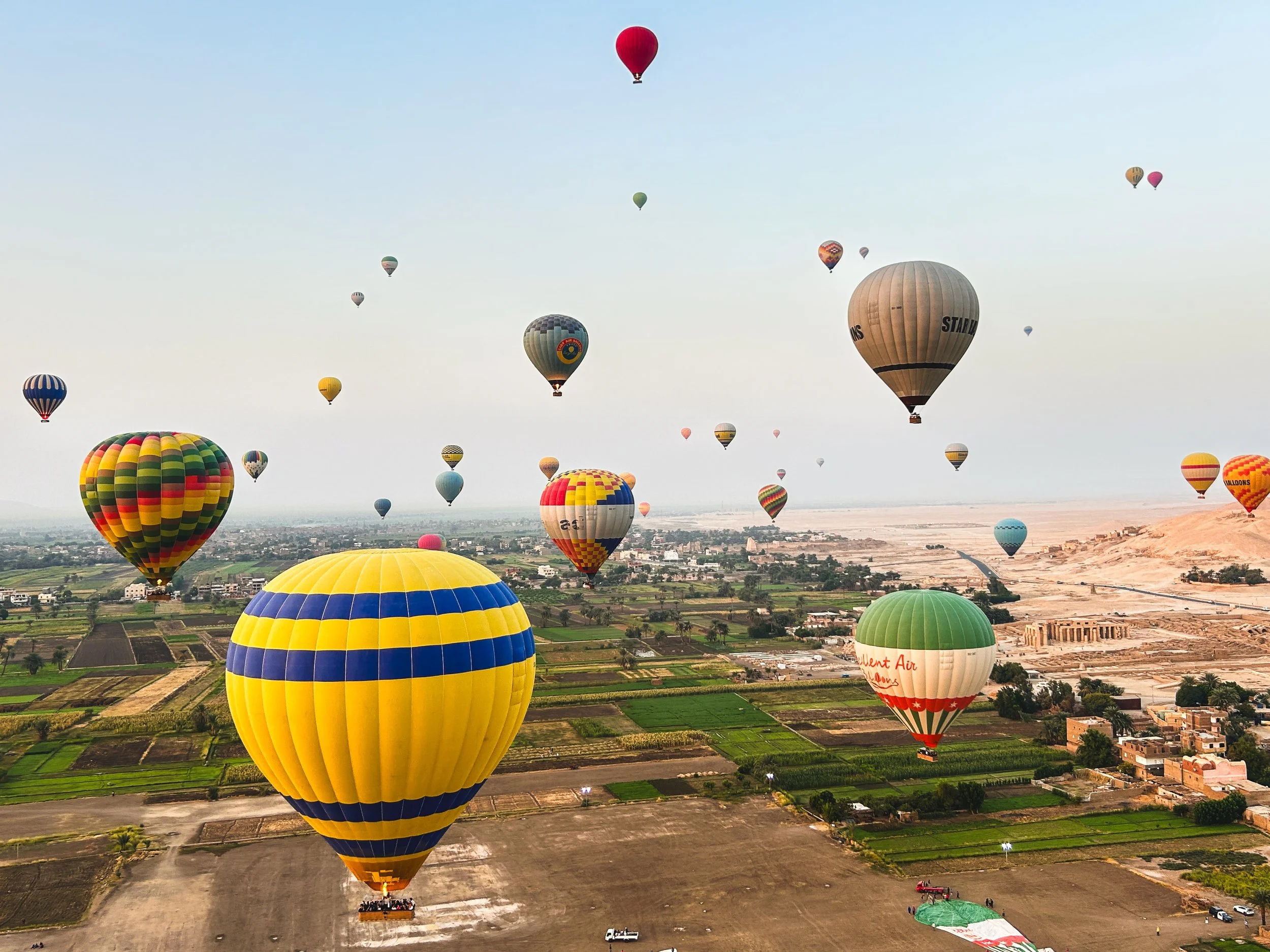
It doesn’t have to be perfect — in fact, it rarely is. But doing it anyway? That’s the real progress.

2. Spot your sneaky self-sabotage

Sometimes it’s obvious. Other times it’s little things — putting things off, downplaying wins, or avoiding the next step. Catch it early and gently steer yourself back on track.

3. Talk back to the doubt monster

Say your fears out loud, then remind yourself of what you’ve actually done and achieved. It’s like telling that critic to take a hike.

4. Mistakes aren’t the enemy

They’re messy, sure — but they’re how you get better. Give yourself permission to be perfectly imperfect.

5. Keep showing up

Confidence isn’t an on/off switch. It’s a muscle you build by sticking with it, even when it feels shaky.

If you’re in the same boat, keep going. Being real and showing up is the secret sauce.

Like that little flame refusing to be snuffed out, every time you show up you’re getting stronger — even when doubt tries to blow you out.

How have you pushed through self-doubt recently? Drop your story below. I’d love to hear it!

Ray